


Remember spending 20 minutes in a filter app just to make a decent photo look passable? Dragging that warmth slider back and forth, hoping something clicks? That’s done.
Google’s Gemini, powered by the Nano Banana models, doesn’t want you to fiddle with sliders. It wants you to talk to it. Describe what you want like you’d describe it to a talented friend, and it figures out the rest. The results range from quietly impressive to genuinely jaw-dropping.
The defining change in 2026 isn’t any single effect; it’s the fact that you stopped picking from a preset menu and started describing feelings. “Make this feel like a memory” lands somewhere completely different from “vintage filter,” and Gemini understands that gap.
That shift has unlocked two competing creative impulses running simultaneously across social media: the hunger for cinematic polish on one side, and a very deliberate craving for beautiful imperfection on the other. Both are thriving, and both have their own communities, aesthetics, and tricks.
The seven trends below cover the range, with the exact prompts powering them.
Disclaimer: All example images fed to Gemini are free stock photos from Freepik.
The anti-AI aesthetic (authentic imperfection)
After two years of feeds flooded with suspiciously smooth AI images, audiences developed a sharp nose for synthetic perfection.
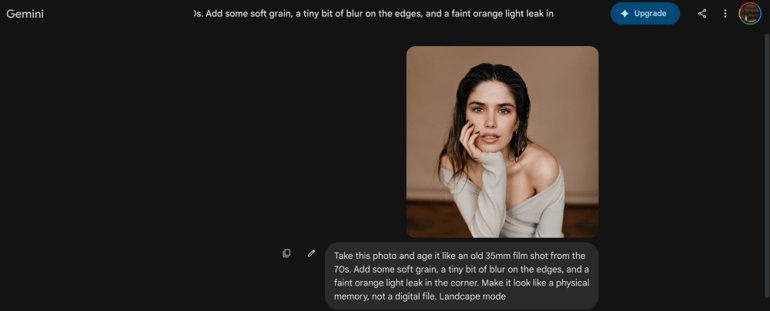
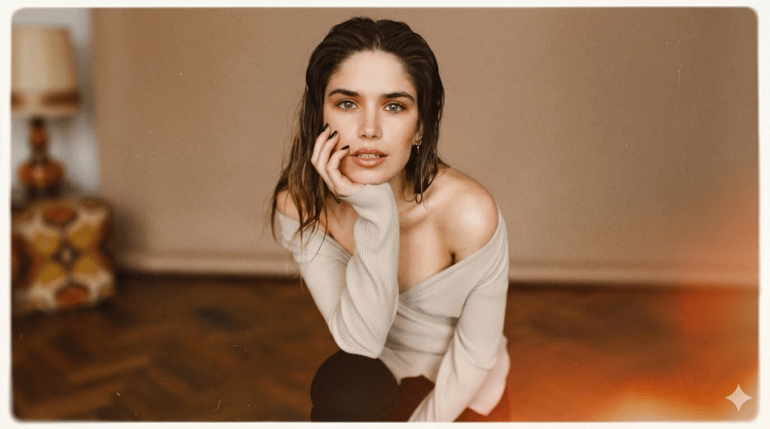
One of the biggest trends on Instagram and TikTok right now is the backlash against perfect digital photos. People are tired of synthetic skin and impossible lighting. Instead, users are using Gemini to add charming flaws back into their images, like light leaks and film grain.
Prompt to try: “Take this photo and age it like an old 35mm film shot from the 70s. Add some soft grain, a tiny bit of blur on the edges, and a faint orange light leak in the corner. Make it look like a physical memory, not a digital file.”
Chibi and toy-ification
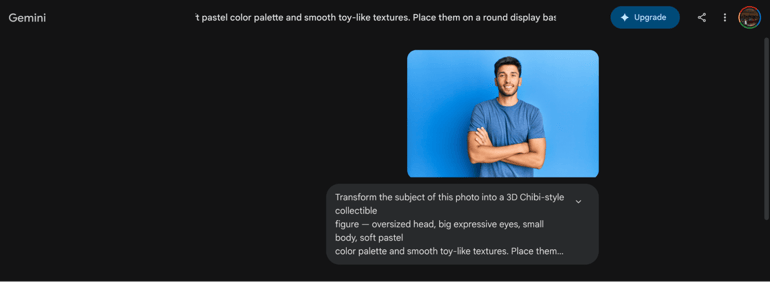
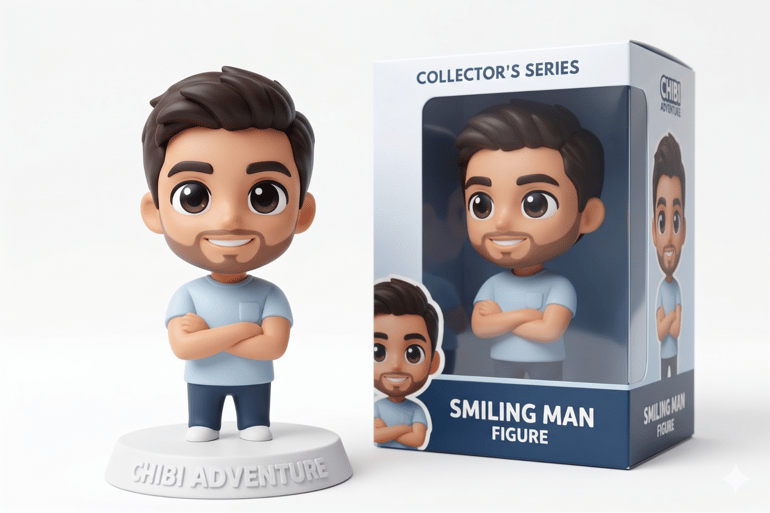
Turning portraits into 3D Chibi characters or plastic PVC action figures, complete with packaging box and display base, is one of the most-shared categories of AI photo content in 2026. Part irony, part genuine delight. TikTok drove the initial viral burst (people revealing their action figure selves to camera), but Pinterest has become the steadier home for it, especially for gift ideas and custom avatars.
Prompt to try: “Transform the subject of this photo into a 3D Chibi-style collectible figure — oversized head, big expressive eyes, small body, soft pastel color palette and smooth toy-like textures. Place them on a round display base next to a glossy retail packaging box with a transparent window. Photorealistic macro lens on a plain white studio background.”
Cinematic time travel
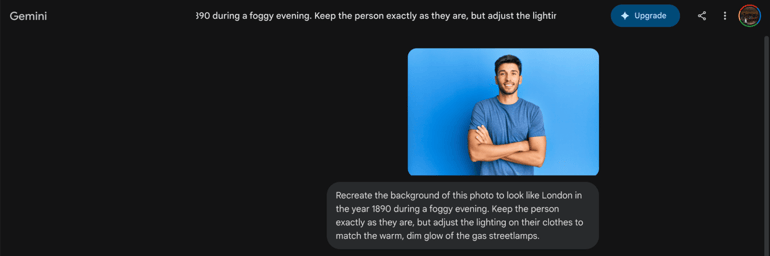
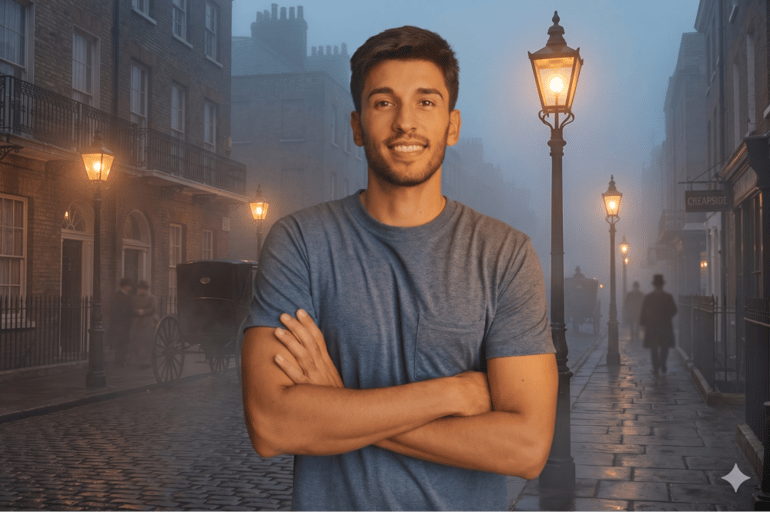
History buffs are having a field day with this one. Using Gemini’s deep world knowledge, users are taking modern selfies and placing themselves in specific historical moments. It’s not just a background swap; the AI adjusts the lighting and clothing to match the exact era and location you name.
Prompt to try: “Recreate the background of this photo to look like London in the year 1890 during a foggy evening. Keep the person exactly as they are, but adjust the lighting on their clothes to match the warm, dim glow of the gas streetlamps.”
Instant ad creative with real text
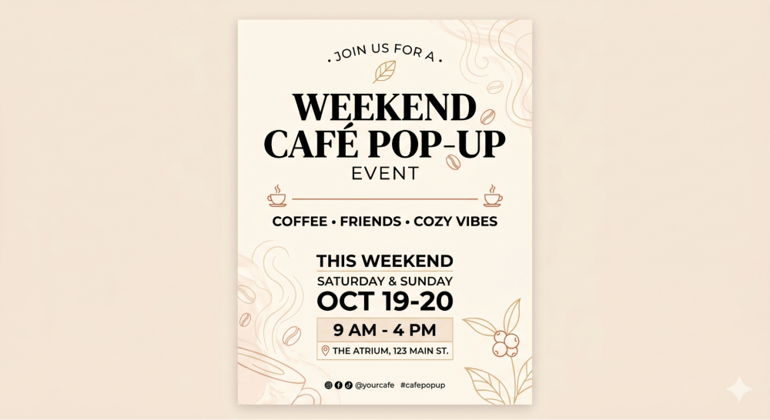
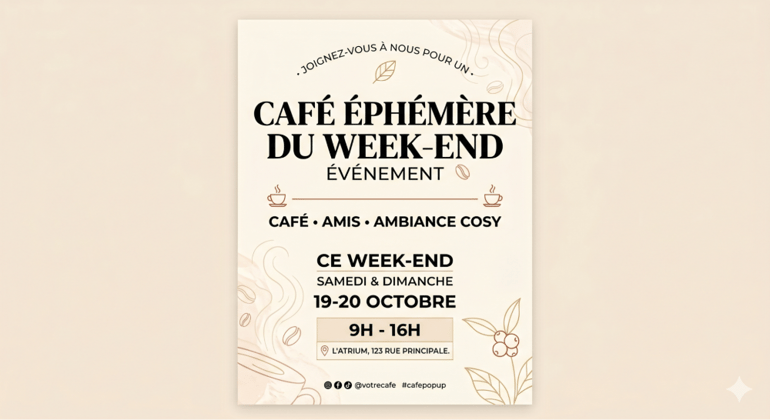
For a long time, garbled words were the embarrassing tell of AI-generated graphics. That’s largely fixed in 2026. The result has been huge for small business owners. You can describe the ad, get a clean graphic, then ask Gemini to translate all the text in a follow-up step.
Prompt to try: “Design a promotional graphic for a weekend café pop-up event. Include the event name, date, and a short tagline. Use clean, readable typography on a warm minimal background. Once done, translate all text into French and keep the same layout.”
Consistent characters enable visual storytelling
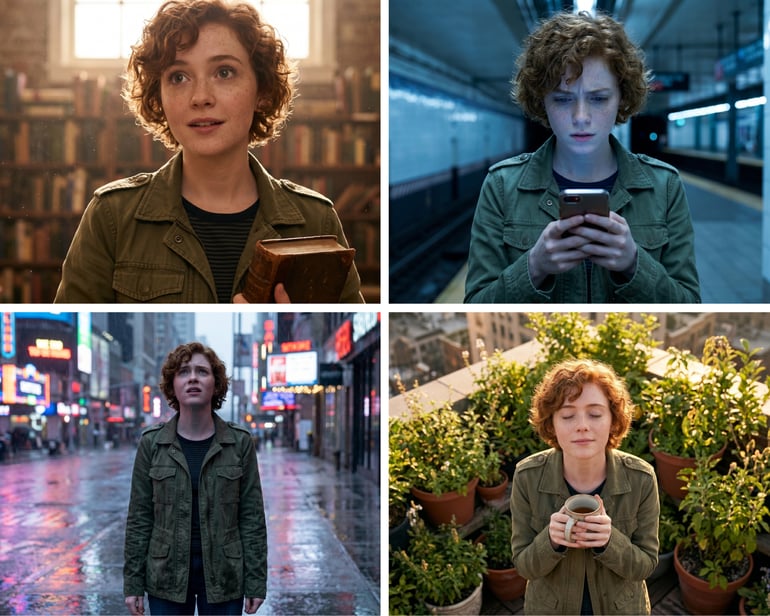
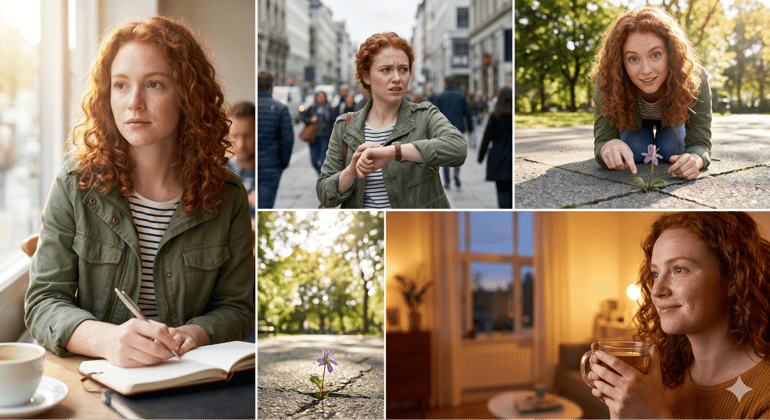
Perhaps the most transformative trend is the ability to maintain character consistency across multiple images.
This allows users to create short visual stories, comics, or branded content featuring the same character in different scenes. The character’s face, outfit, and proportions remain consistent, which was previously difficult to achieve with AI. This capability is being used by marketers, educators, and even parents creating custom stories for children.
Prompt to try: “Create a multi-scene story featuring the same character. Keep their appearance consistent while changing expressions, settings, and camera angles.”
Pro-level fashion editorial
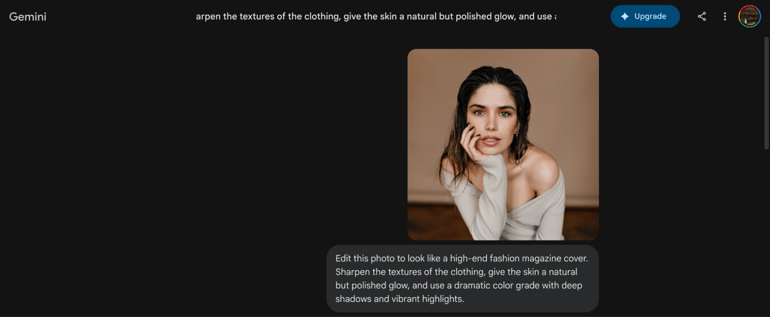
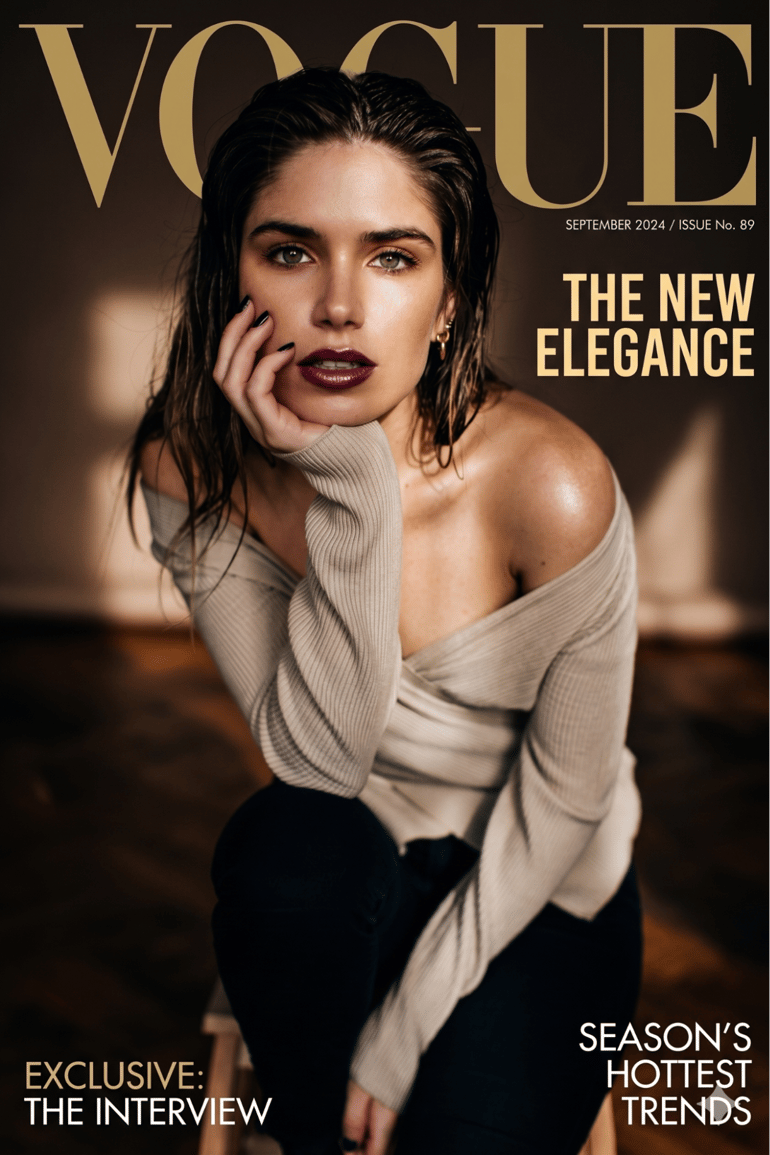
You don’t need a professional lighting crew to look like you’re on a runway. This trend is popular with creators who want a magazine-ready finish. It’s all about high contrast, polished textures, and dramatic shadows that make a casual hallway look like a high-end studio.
Prompt to try: “Edit this photo to look like a high-end fashion magazine cover. Sharpen the textures of the clothing, give the skin a natural but polished glow, and use a dramatic color grade with deep shadows and vibrant highlights.”
Making still images feel alive
Finally, there’s a growing focus on adding motion to still images.
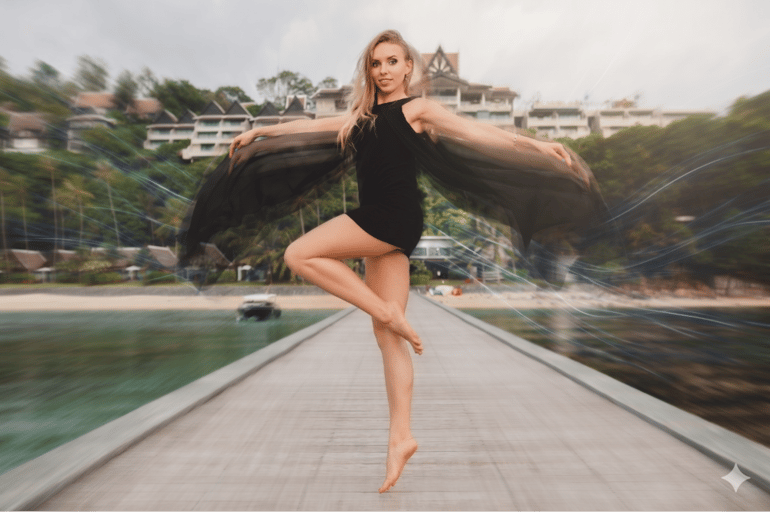
By introducing blur, light streaks, and directional movement, creators can give static photos a sense of energy. This is particularly popular in sports and action content, where movement is central to the story. Even subtle motion effects can make an image feel more dynamic and engaging.
The key is balance, keeping the subject sharp while allowing the environment to blur.
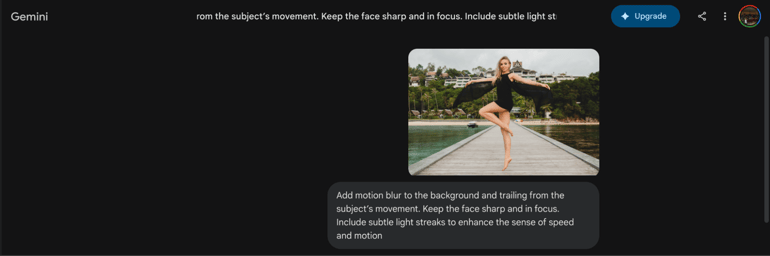
Prompt to try: “Add motion blur to the background and trailing from the subject’s movement. Keep the face sharp and in focus. Include subtle light streaks to enhance the sense of speed and motion.”
Where it all leads
Taken together, these trends point to a clear direction for photo editing in 2026. The goal is no longer technical perfection. Instead, it is about expression, whether that means making a photo feel more real, more imaginative, or more personal.
The people getting the most out of these tools are not the ones generating the most images, but the ones using them to tell stories that feel human.
Editor’s note: This article originally appeared on our sister publication, eWeek.


