


Why you can trust Creative Bloq
Our expert reviewers spend hours testing and comparing products and services so you can choose the best for you. Find out more about how we test.
Axel Grell is a legend in the audio world. He’s a German headphone designer and acoustic engineer who created some of the most beloved audiophile headphones still used today. The 1997 Sennheiser HD 600 is still the gold standard for a natural-sounding midrange. The HD 650 (a warmer HD 600), the HE 1 (a mere $60,000 to you) and the HD 800 S (famous for its soundstage) all have his fingerprints on them. So when Axel makes a headphone, you pay attention. Today the Grell OAE2 goes on sale, and I’ve been testing a pair for the last two weeks.
It’s a fascinating, unique, highly enjoyable, proudly imperfect headphone that, I think, is well worth its $599 asking price, for the right owner. It’s a headphone that positions the drivers far forward, facing back in each ear cup, in an attempt to mimic the experience of listening to a pair of loudspeakers at a 30º angle. It also sounds pretty great.
Specs
Driver & housing: 40mm bio-cellulose dynamic
Material: Steel earcups, polyamide structure, velour/Memory Foam padding
Cable: 1.8 metres; 1x 3.5mm single-ended with 6.3mm adapter, 1x 4.4mm balanced
Impedance: 38Ω
Sensitivity: 100 dB (at 1 kHz, 1 VRMS)
Weight: 378g
Price: $599 / £549
The root of the OAE2, and the 2024 OAE1, lies in Axel Grell’s personal history. Once upon a time, he built loudspeakers, and before that he mixed the live sound of his university band. Then he got into headphones. It is with his original love of speakers that the designer thought up the OAE series.
Yet it’s not all sunshine and rainbows. The OAE1 was a bit of a flop for many audiophiles, with some wincing at a shouty 6kHz upper midrange peak, and others declaring there was ‘too much bass’ (as if there is such a thing!) However, I haven’t heard that first version, so I’ll be reviewing the OAE2 on its own terms, and in comparison to some of Grell’s best headphones to date.
Grell’s philosophy

Before we get into how the Grell OAE2 sounds, it’s important to talk about what Axel Grell’s aim is with these headphones. After all, if he wanted to create a supremely natural-sounding traditional headphone for a new generation of music lovers, he could have just copied his own homework, and recreated the HD 650/600, but with an added bass shelf.
Errr, and that’s kind of what he’s done… but we’ll get to that!
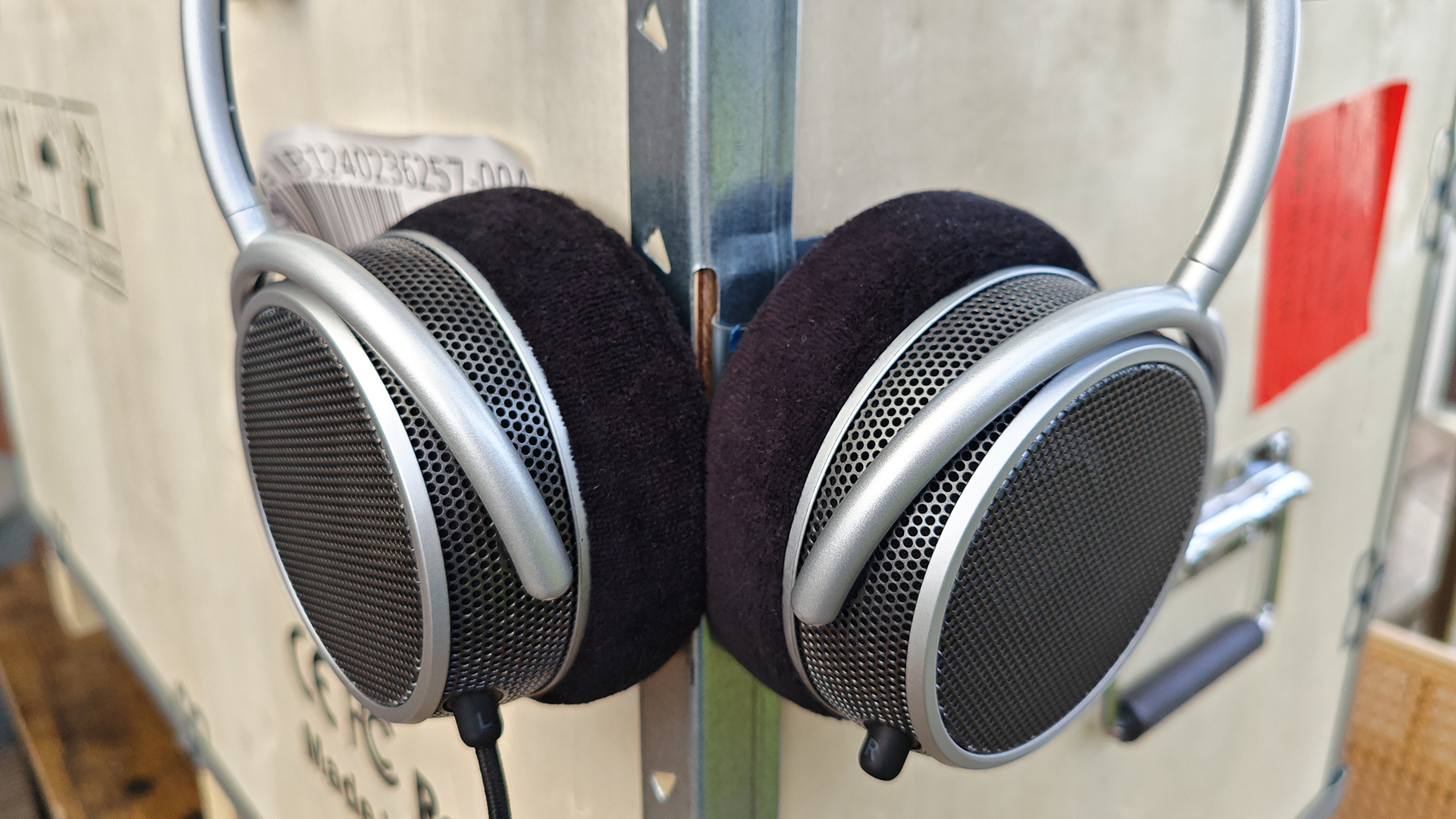
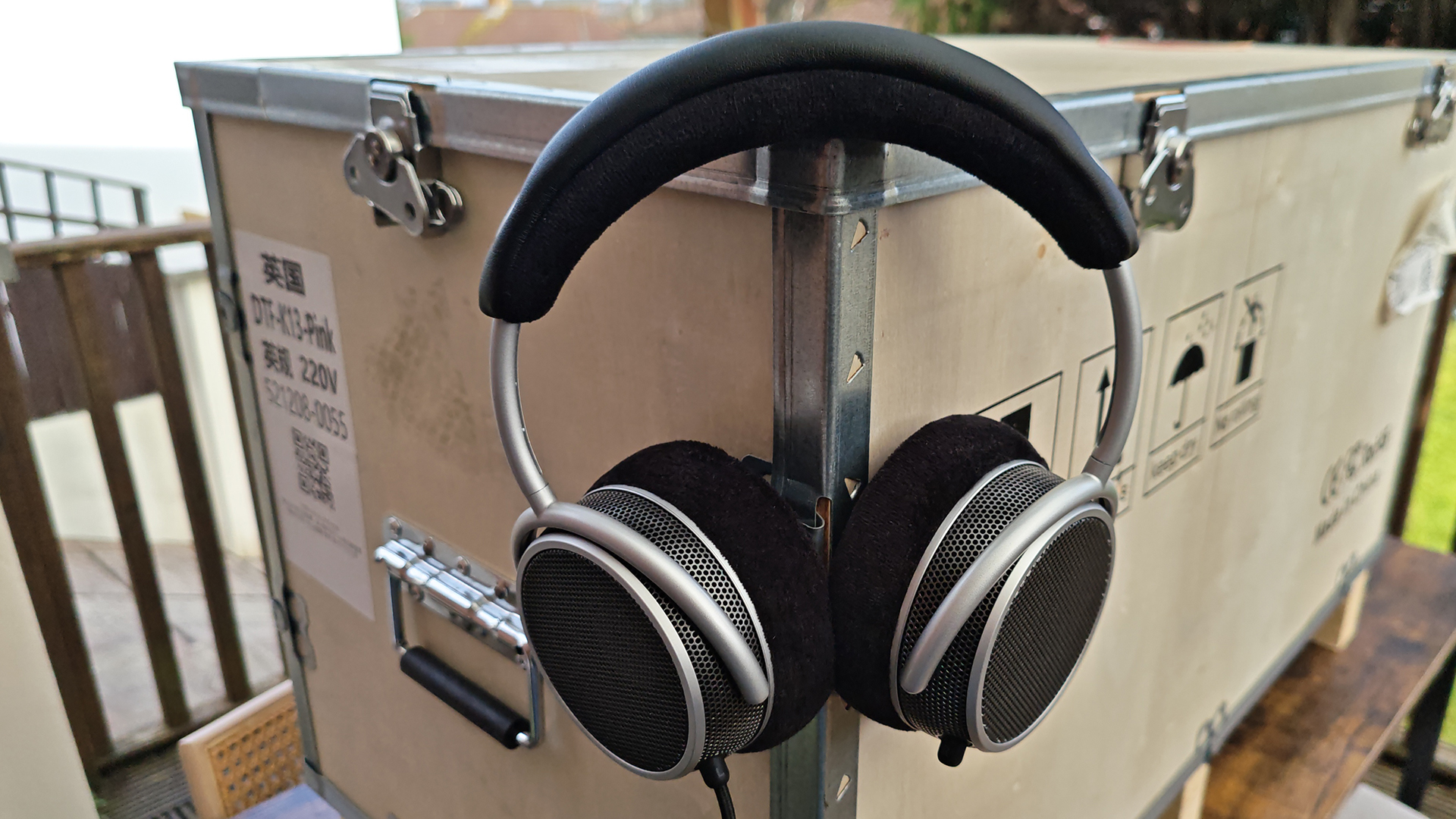
By placing both dynamic drivers at the front of the headphone ear cups, and directing them back, the OAE2 is breaking with the accepted philosophy of how to make headphones.
Grell wants to mimic how you’d hear sound from near-field studio monitors, placed at a 30-degree angle. That is the ‘natural’ way to hear music, he argues. After all, your brain has spent your entire life processing how your specific ears filter sound from the front.
The OAE series is his move to the ‘correct’ way to listen to music, with headphones. He wants the OAE series to present space fundamentally differently to all other traditional headphones… which is utterly baller, if nothing else.
Soundstage
By making the sound interact with your outer ear (pinna) before entering your ear canal, Axel is hoping that your brain will receive the spatial cues it needs to perceive a soundstage positioned in front of you, rather than inside your skull (as with all traditional headphones).
So does he succeed? Yes, but maybe not as dramatically as the marketing will have you believe.
With my ears, the OAE2 definitely presents music deeper in front of me than the HD 650, HD 600 or HEDD D1. It’s also a wider presentation. But I don’t want to overstate things here. I’ve seen videos and read what seem like paid-for articles, that state this is the greatest soundstage ever created. And that may actually be true to those reviewers. But for me, the difference is real, sometimes really meaningful even, but generally quite subtle.
One thing worth noting is that Grell has mentioned there may be some brain burn-in required to get the most out of the OAE series. That is, a listener may need time to start picking up on the directional cues and benefit from the positioned drivers. I think there’s something in this, and I am definitely more attuned to the positioning of sound with the OAE2 after two weeks of using them. However, I still think the end result is subtle. Ultimately, this is something that you will have to determine for yourself.
Sound profile
Image 1 of 3
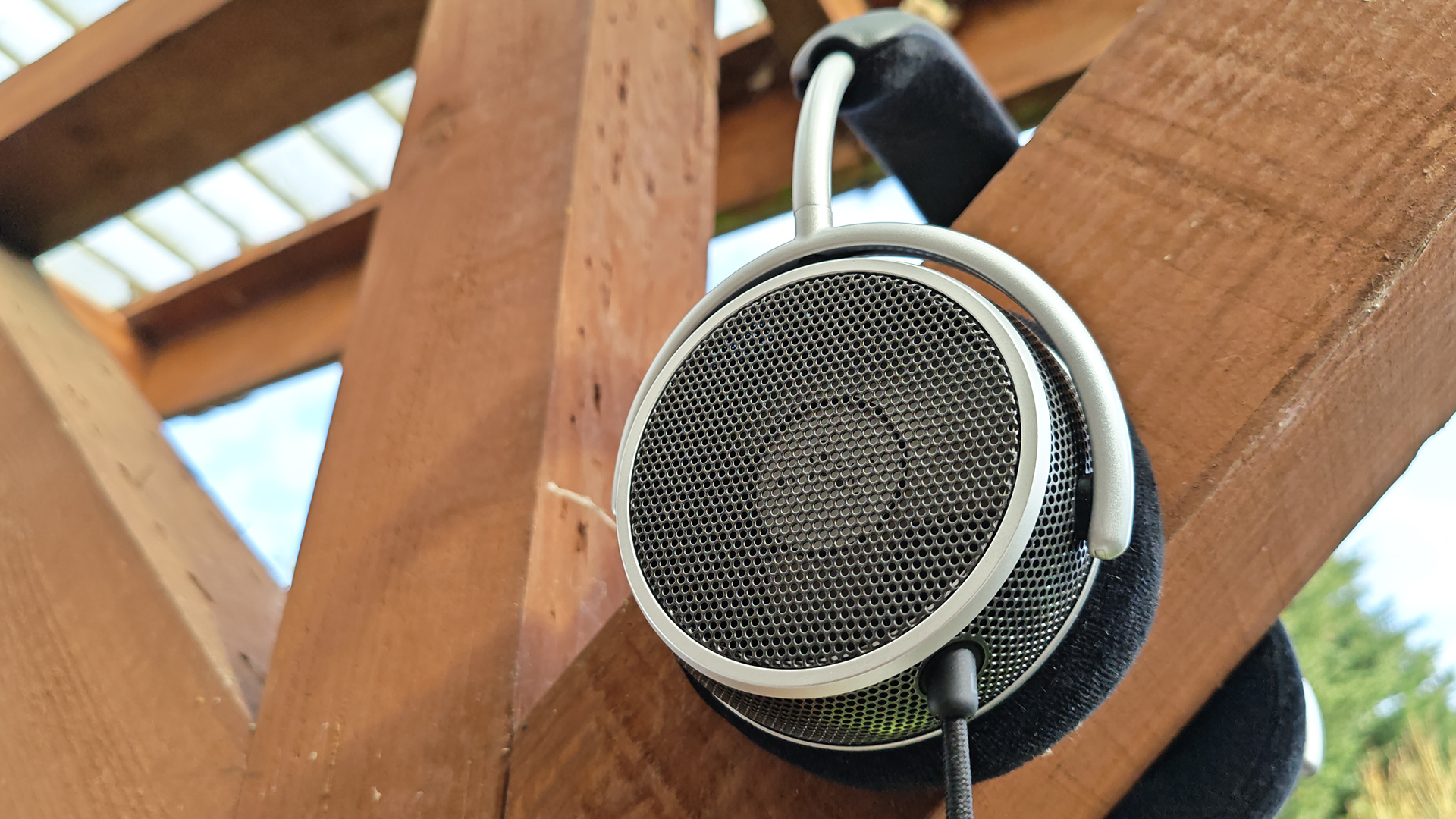
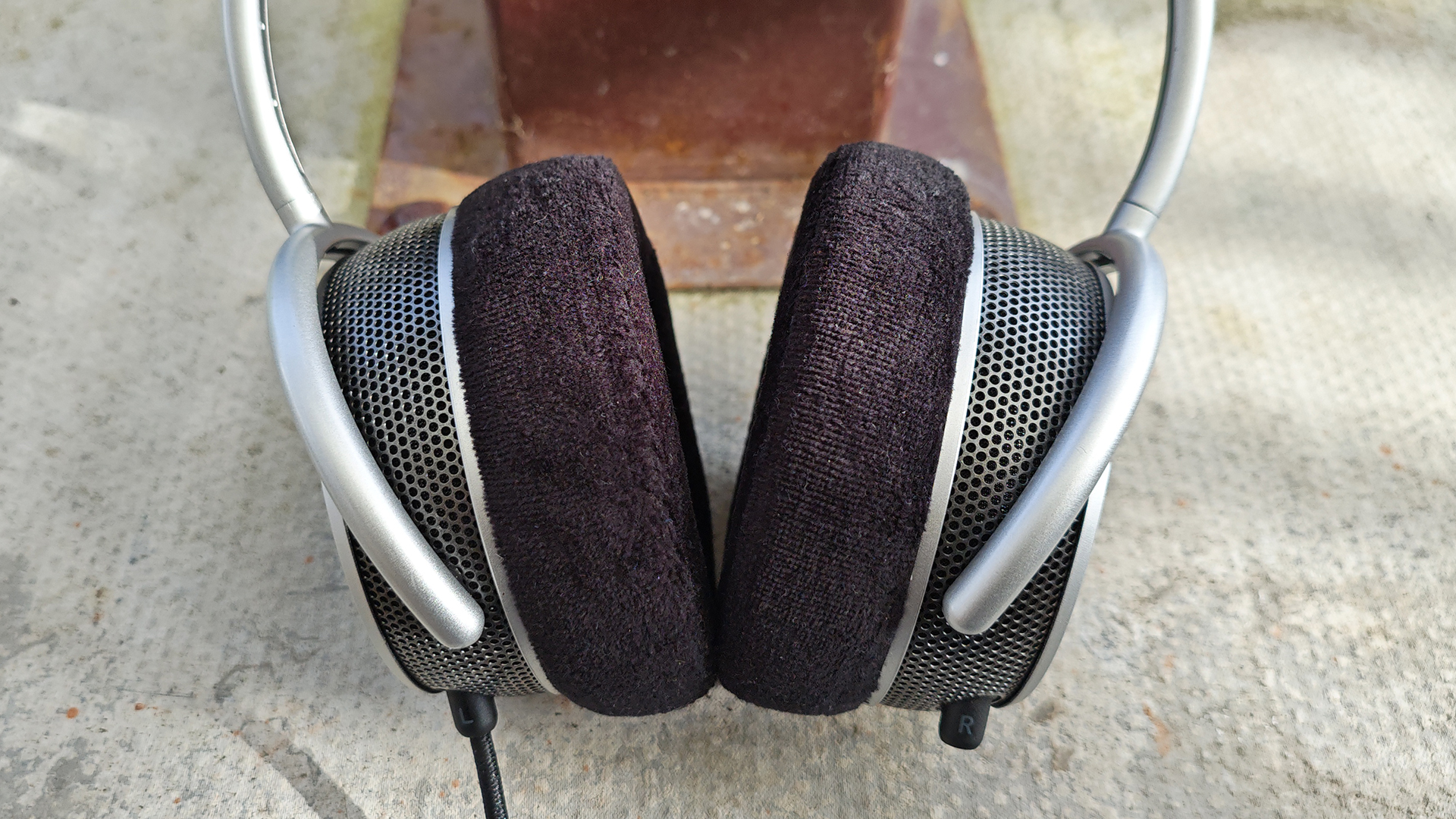
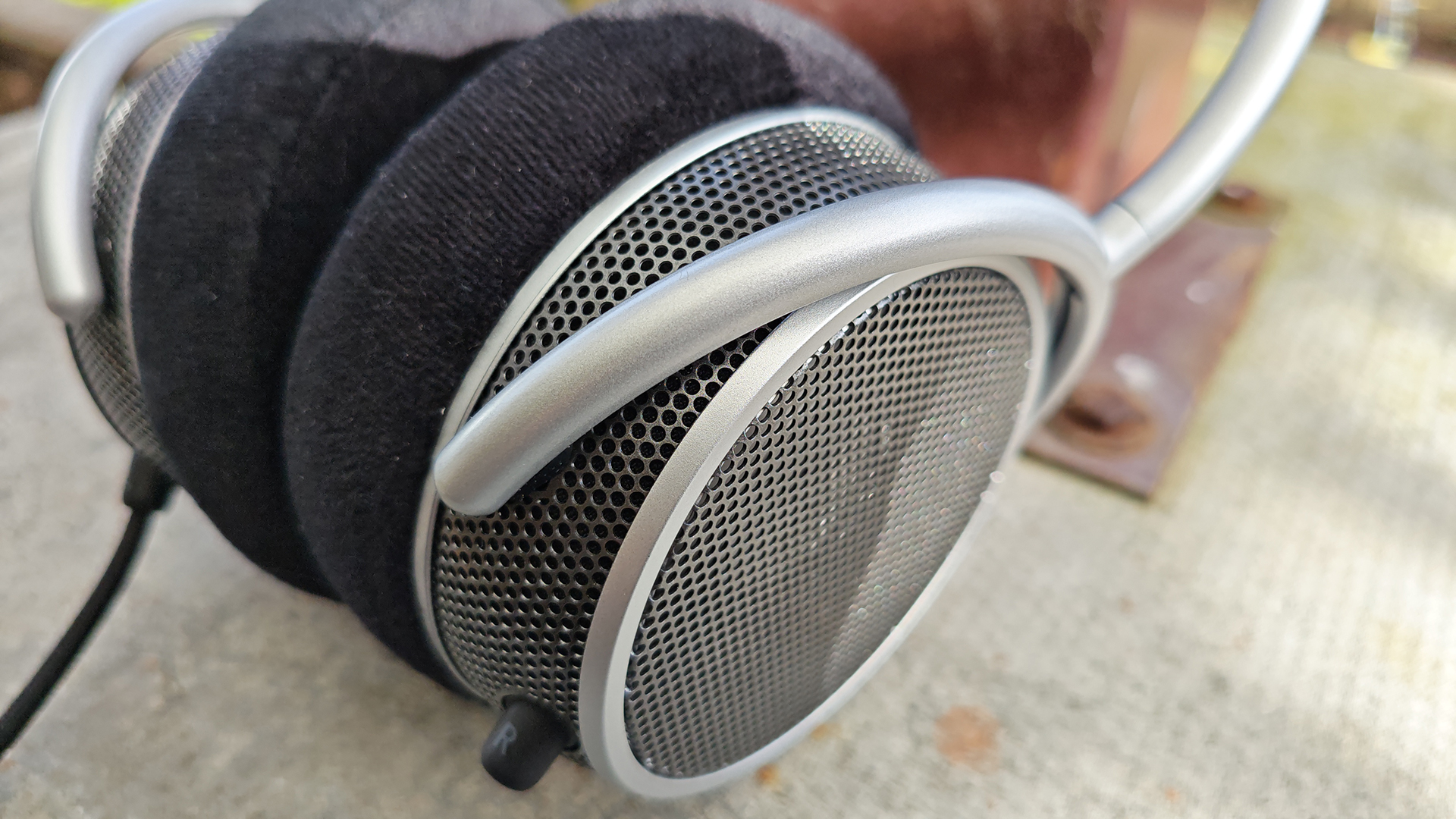
Overall, the Grell OAE2 is a neutral/warm headphone that’s really fun to listen to – especially at loud volumes! It has a kick-ass bass boost, a spot-on midrange, and a (mainly) chilled out treble. There’s good reason that the man himself has compared the OAE2 to the HD 650 – with bass.
Bass: The bass of the OAE1 was universally panned for being too heavy-handed. And although I haven’t heard them, I can read a frequency response graph, and the OAE1’s chart looks a little unhinged. Ultimately, it’s hard to do bass with open-back headphones. It’s even harder to do bass well. A lot of open-back headphones present bass that rolls off below 70Hz.
Axel Grell has developed a new damping system using a specific stainless steel mesh that lowers the driver’s resonance to 40Hz. That means he doesn’t need to add wads of fake bass by boosting the 80Hz region, producing impactful yet muddy bass. Instead, with the OAE2 we get more bass extension.
Midrange: It would be pretty weird if a headphone made by the man who engineered the HD 600/650 didn’t have an excellent midrange. Thankfully, the OAE2 is his father’s son. Looking at a comparison graph from Grell that positions the OAE2 with the HD 650, and though there are many deviations between the two, the lines blur into one from around 200Hz to 1kHz. That is to say – the midrange is natural, if a bit warm, and it’s very much to my liking.
However, in the upper midrange, roughly 5kHz, things do get a little shouty on some of my test tracks. I first noticed it in the clarinet solo passage on Me and My Friends’ Before I Saw the Sea. The song is an excellent melee of mids, and it’s useful to see if a headphone has any particular peak of interest in the 1-6kHz region. If you’re sensitive to this region, it’s certainly something to think about.
Testing kit
I use the Luxsin X8, Chord Mojo 2 and Fosi DS2 DAC/Amps for all my headphone and IEM reviews. This ensures sufficient power delivery for peak performance, while providing a distortion-free source for a clean, detailed signal. My music sources are Spotify Lossless and CDs.
Treble: Things are pretty relaxed in the treble region. Grell has been vocal about his dislike of artificial air – of adding high treble to a headphone to trick the brain to think there’s more resolution and detail than there is.
I hate to disagree with a legend, but I think it can be done really well, and can be part of a very enjoyable audio experience. However, I will also concede that it is often not executed well, and the result can be like injecting bleach into your ear canals (Beyerdynamic, I’m looking at you).
Either way, the OAE2 is tuned to sound like a pair of loudspeakers in a treated room, and so there is roll off in the treble. If the track that you’re playing wasn’t recorded with added treble bite, you won’t be hearing it with the OAE2. And that’s fine with me.
Perhaps because of that lack of sparkle in the treble, which usually scratches the itch for more perceived detail, I often found myself wanting to notch the OAE2 up one more decibel… And maybe because of the frequency response, and the driver positioning, I got away with doing it in every listening session.
If this is more than just my personal depravity, then that’s something that you should think about before buying these headphones.
Image 1 of 3
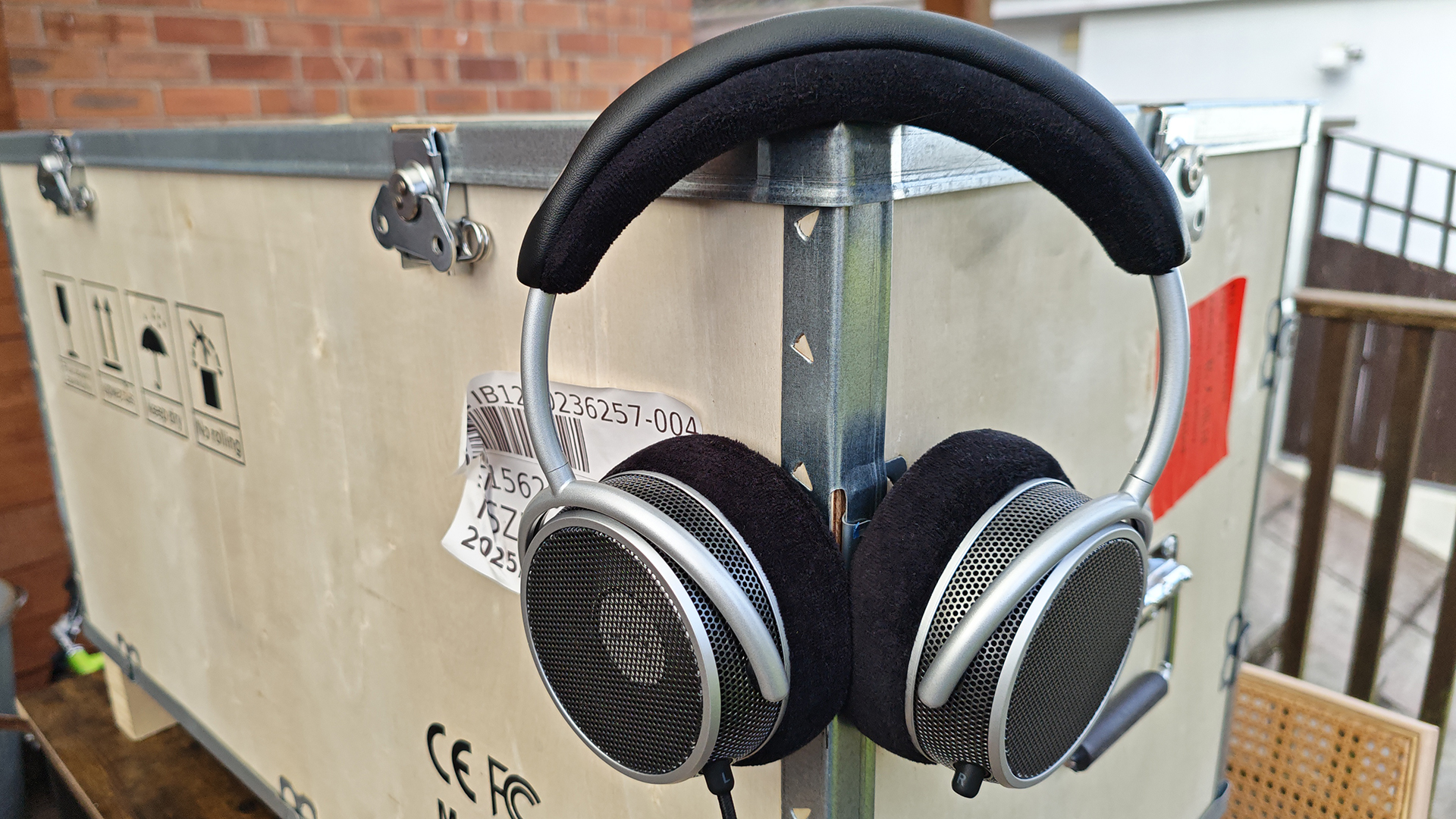

I don’t think this presentation of music is inherently better or worse than traditional approaches. It might seem like a cop out, but I had an absolute blast comparing these with the HEDD D1 and the HD 600 and HD 650. Switching through them, I liked (D1 strength), OAE2 (etc).
Comfort & build
Comfort: This is where the most noticeable weakness of the OAE2 lies.
First the positives: The velour and memory foam ear pads are cushy enough to fall out of my mind after a minute of use, and although many criticised the first iteration for its heavy-handed clamp force, I didn’t have any issue with that. My brain found it easy to reinterpret the OAE2’s not-the-heaviest-yet-beefy 378g as just a good quality build (even though most commercial headphones hover around the 200–300g region). I guess it’s funny how generous your brain will be when it’s enjoying the music.
But I had a hotspot right on the top of my head that, at times, detracted from my enjoyment of using the OAE2.
Will this be the case for all users? I have no idea. I’m not particularly prone to hotspots, and when there’s a good weight distribution mechanism on a heavy headphone (such as the insanely heavy Audeze Maxwell 2 that is 563g, yet has an effective suspended headband).

Why four stars & should you buy?
Image 1 of 1
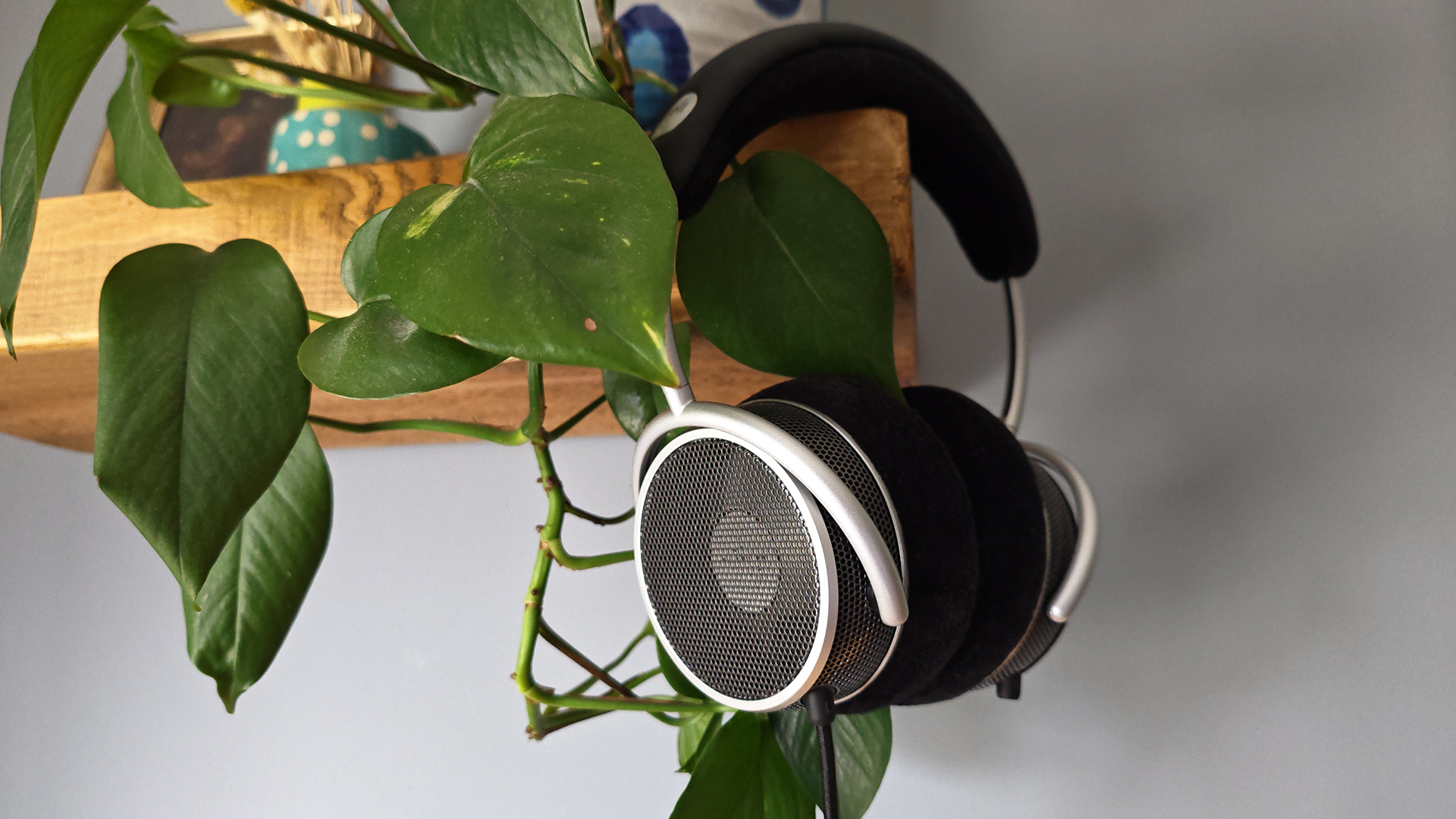
I really like this headphone. So why didn’t I give it the full five stars? Well, I took half a star off for the hotspot the headband gave me, and half a star because, as great as it sounds, I definitely see a fatigue factor of always listening to it really loud, which the OAE2 invites me to do (it’s the headphone’s fault, not mine!)
But my lord, this is a good headphone that I really enjoy listening to.
However, that’s my ranking, and I can totally see the Grell OAE2 being perfect for someone out there. If you like warm-neutral, if you can handle the treble that the OAE2 is putting down, and if you connect with the subtly different way that the music is presented, I could totally see this being someone’s favourite headphone.


