


Why you can trust Creative Bloq
Our expert reviewers spend hours testing and comparing products and services so you can choose the best for you. Find out more about how we test.
I knew the Bose QuietComfort Ultras by reputation. Since their arrival in 2023, these headphones have become famous for the most freakishly impressive Active Noise Cancellation in the business. You put these things on, and the outside world simply disappears (aurally, at least).
And, with a simple three-band EQ, 24-hour battery life, wired/wireless listening, a foldable design and a rich sound from 35mm drivers, these are headphones designed to impress in all respects. We’re testing the first generation here – Bose has since released a Gen 2 pair, and I’ll talk about the differences in the review proper.
Specifications
Price: $329 / £299
Connectivity: Bluetooth 5.1
Compatibility: SBC, AAC, aptX Adaptive
ANC: Yes
Battery: Around 24 hours listening
Weight: 254g
Drivers: 35mm
Why test the older versions? Simply because the arrival of the Gen 2s has made them more than $100 / £100 cheaper, and for me, this price reduction all but catapults them up the rankings of the best bluetooth headphones – and could even put them in the conversation of best budget audiophile headphones. Let’s take a closer look.
Sound profile
Image 1 of 4
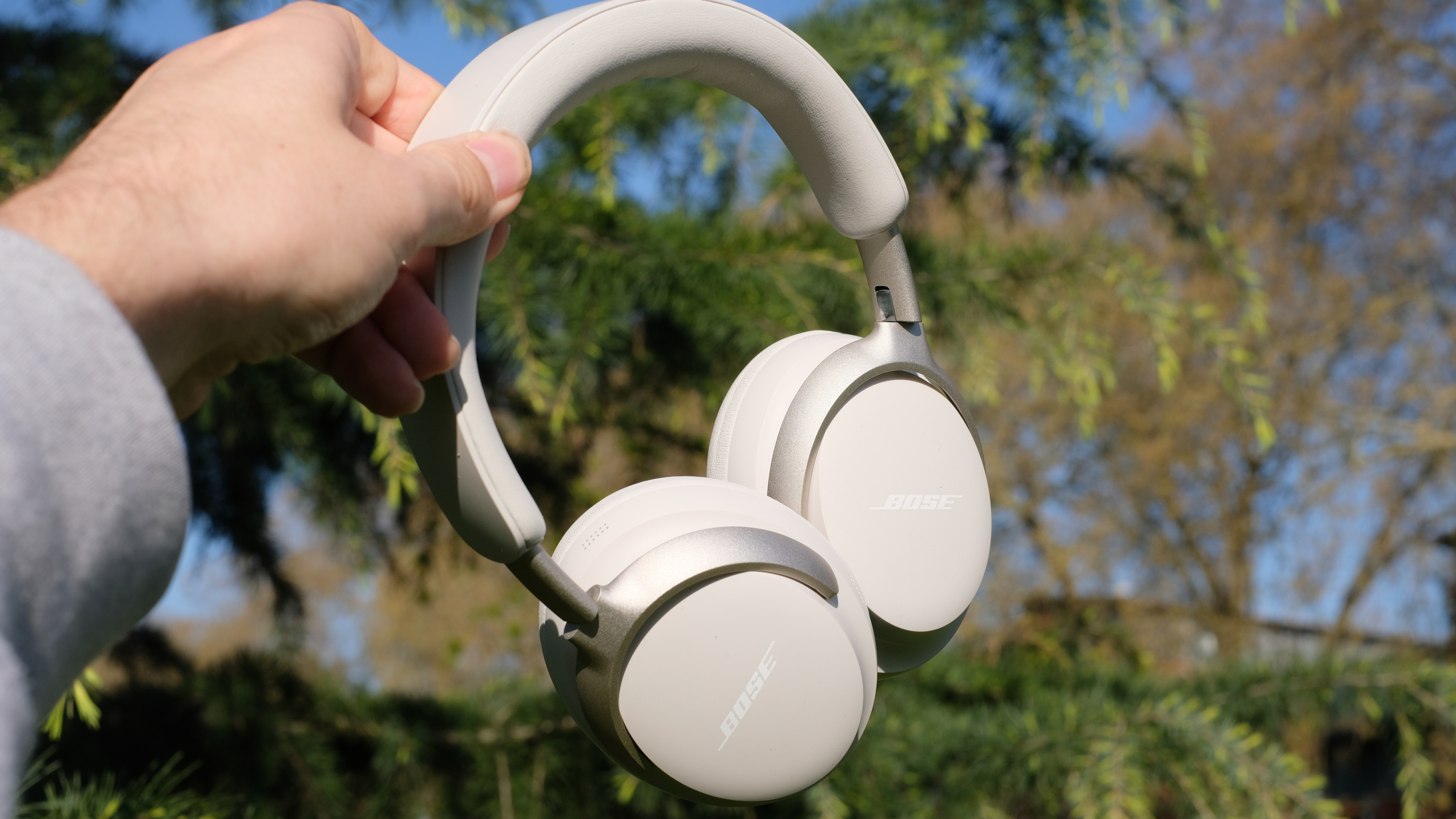
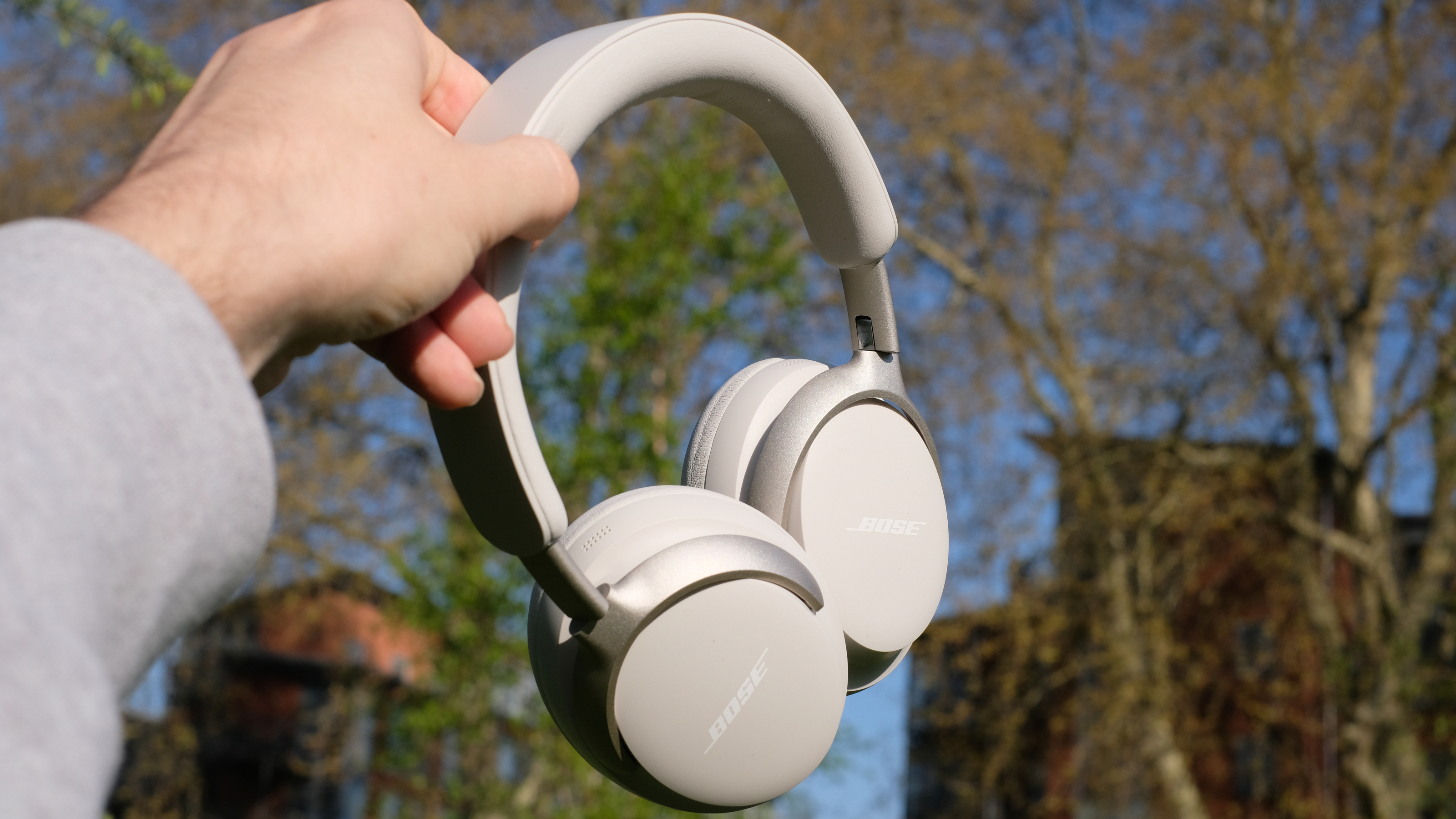
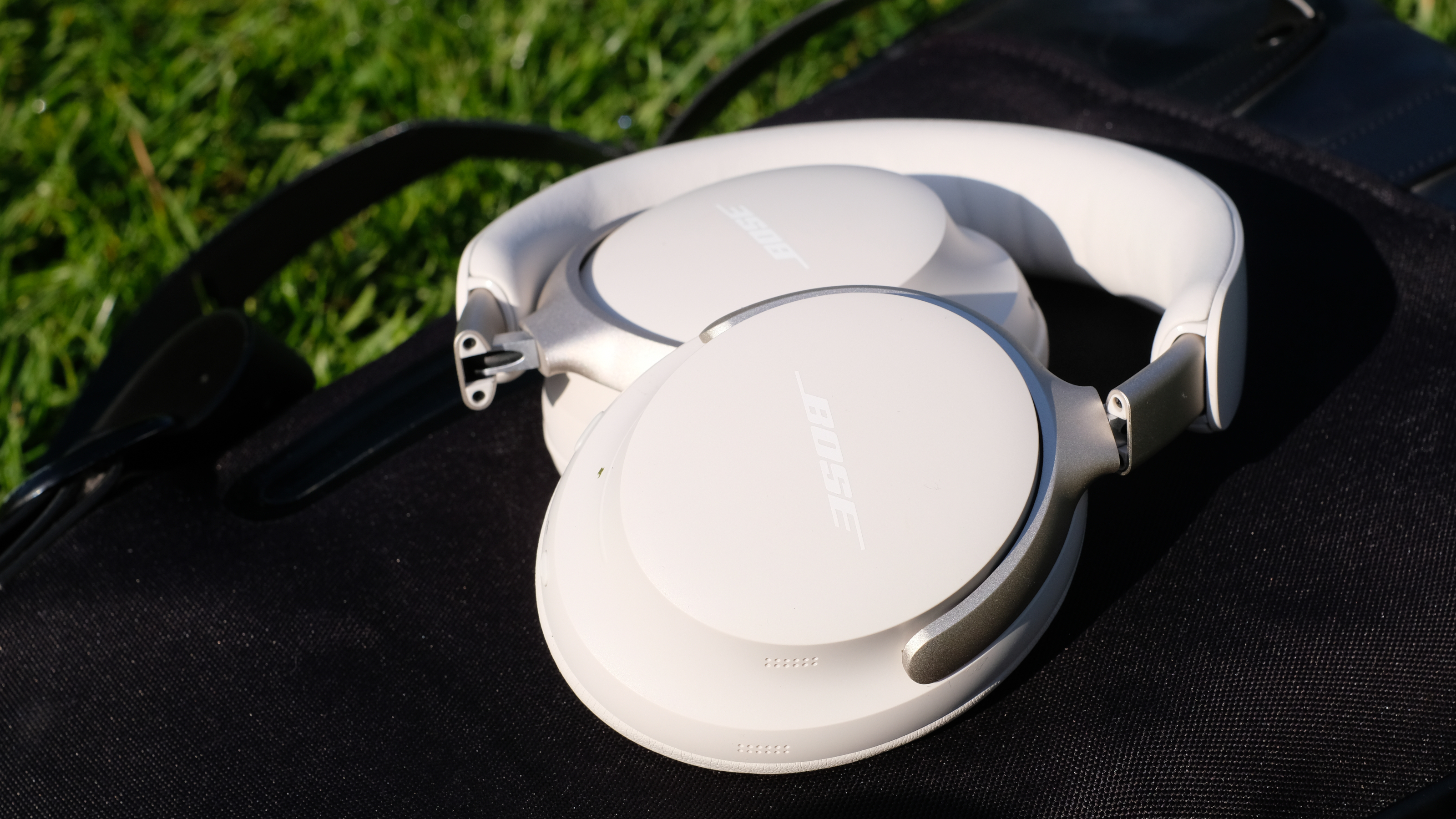
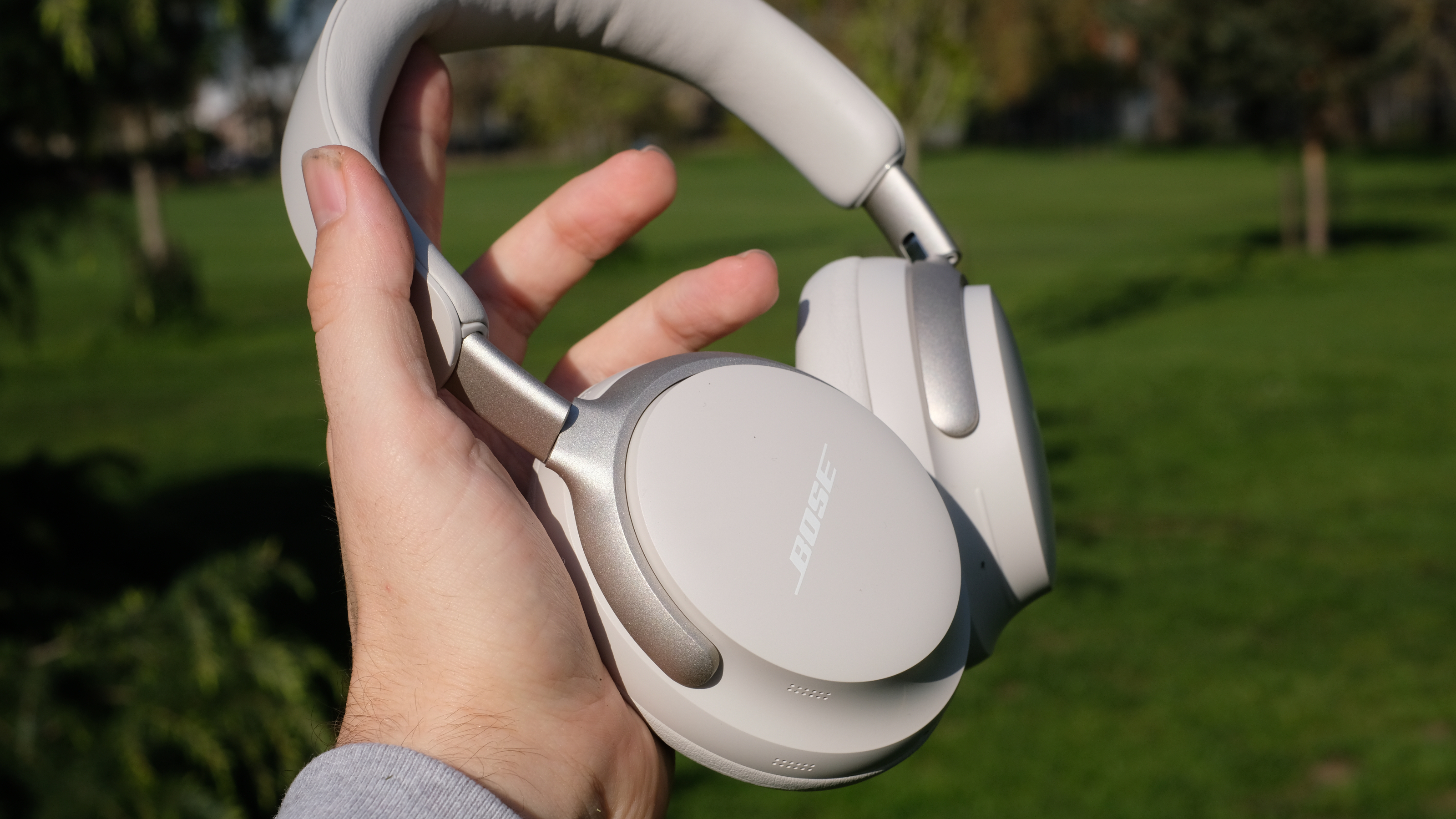
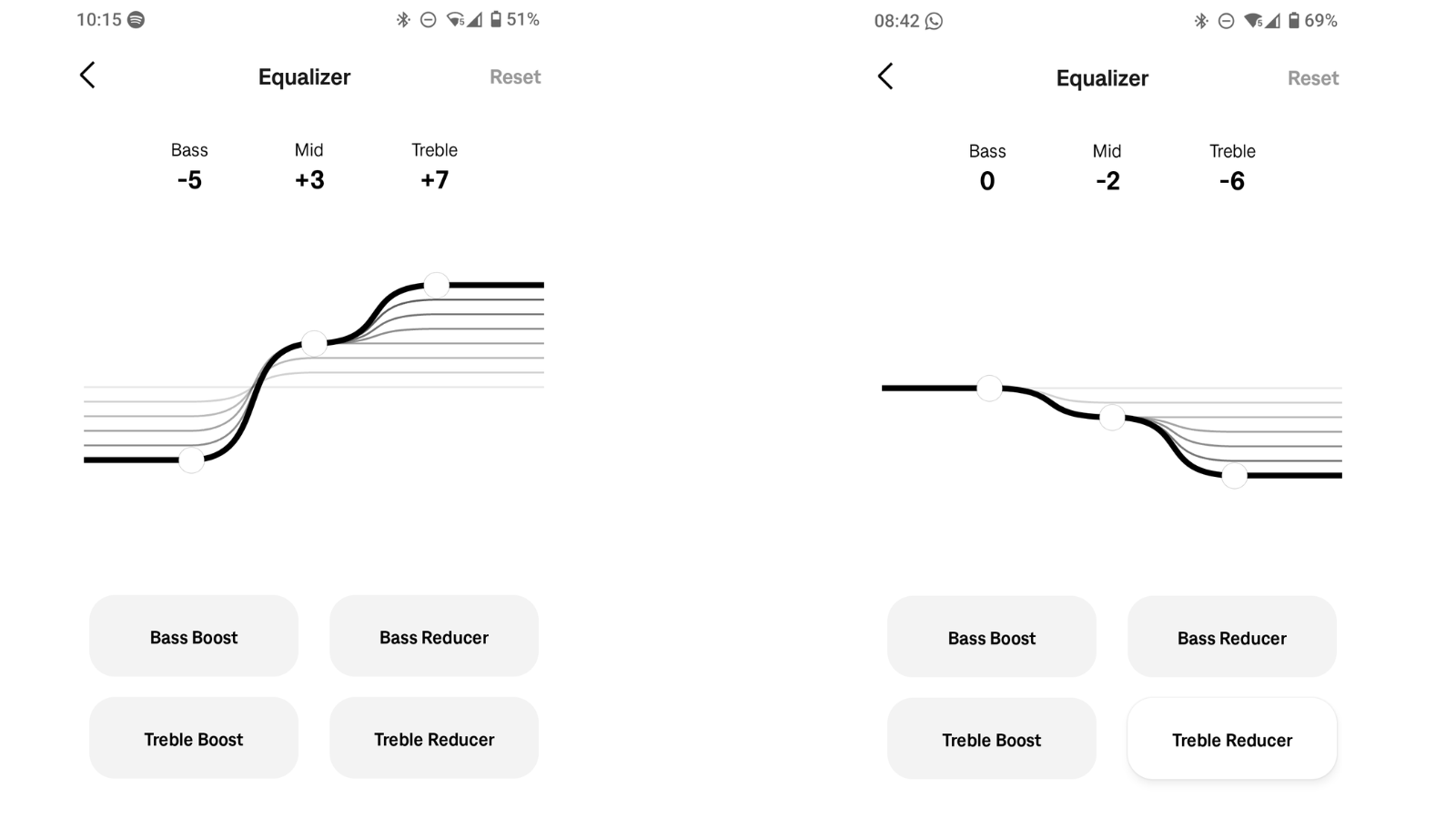
Overall, the sound produced by the Bose QuietComfort Ultra headphones is excellent and I find it difficult to imagine a user who would have a serious problem with it. With that said – for our headphone reviews, we tend to focus on the stock sound, as it’s the sound that most users will experience. However, with the Bose QuietComfort Ultras I really would recommend dipping into EQ and tuning to your taste. I’m nitpicking, but in the stock sound, the bass is just a little bit flabby and overbearing, and it benefits from being reined in a touch.
As we’ll get into in the next section, the app is super-easy to use, and even if you find EQ to be a strange and scary concept, you don’t have to understand any technical terminology to use it – you can just play with the sliders while listening to your tracks until you like the sound that’s coming out.
But even untuned, the stock sound is impressively rich and detailed, and this high level of detail makes it tolerant to quieter volumes, which I appreciate. I like being able to pick out the nuances in tracks without blasting my eardrums. A layered album like The National’s ‘I Am Easy to Find’ comes across brilliantly – you can let your ears skate up and down the arrangement, discerning and enjoying each individual element.
Drumbeats are crisp and precise. Vocals, male and female, have their own space to breathe, with plenty of room in the mids. Going through the album, I had a quasi-religious experience listening to ‘So Far So Fast’, enjoying the crystal-clear separation of the velvety layered synths from the fluttering guitar and measured percussion. Just stunning.
Trebles are always clear, but never attack, with no nasty sibilance. Listening to the album closer, ‘Light Years’ – a track that I calculate I’ve heard fifty billion times – I was able to pick out new details in the upper register, lovely gentle licks of Dessner guitar I’d never heard before. It was a genuinely new experience.
Again, I would use the EQ to boost both mids and treble just a tad. But even if you abjectly refuse, you’ll have a good time with these headphones.
One feature Bose proudly touts (and will turn on by default) is ‘Immersive Audio’, which is a version of spatial audio designed to make the sound feel as though you’re listening through speakers rather than headphones. I tried it on a few tracks, but am sceptical – it mostly seems to blunt the dynamic range of the sound in favour of a roomy feel. And it reduces the battery life! Once I turned it off, I didn’t miss it.
Features
Image 1 of 5
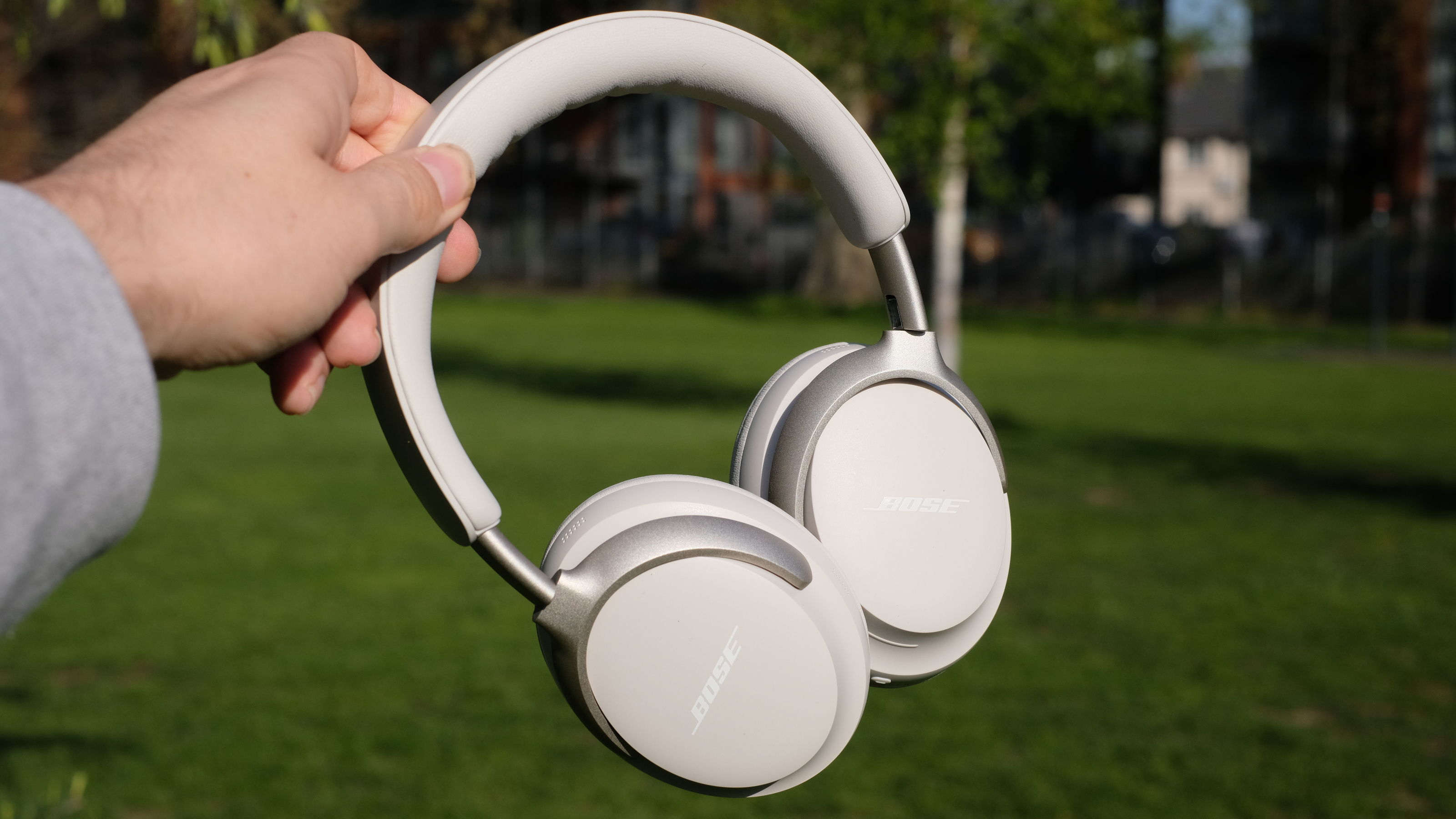
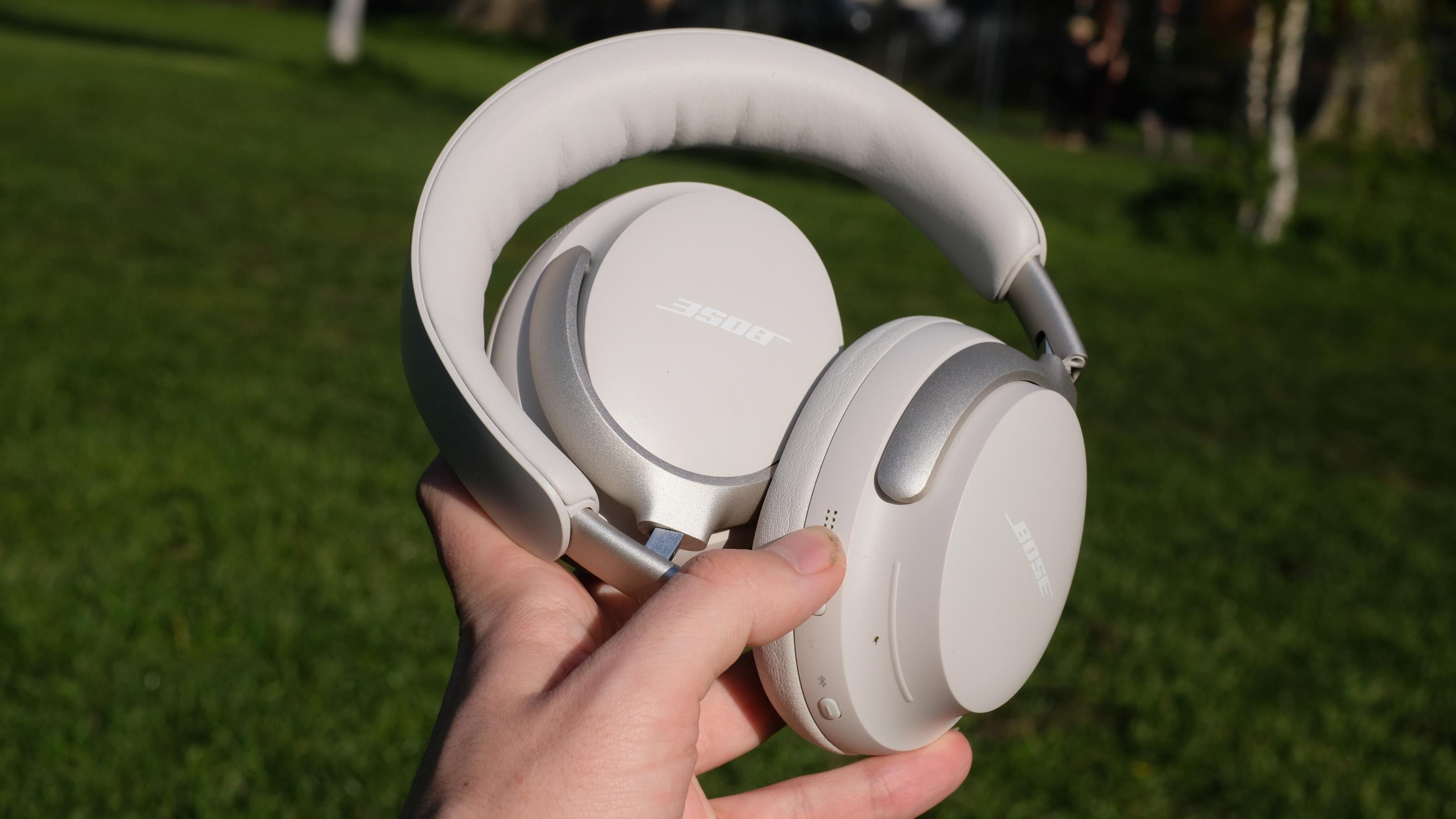
I mean, good god. I knew the Bose QuietComfort Ultras by reputation, so I was ready for the Active Noise Cancelling to be very good indeed, but I can still happily report that it is phenomenal. You can cycle through presets with long presses of the control button, and setting it to Quiet mode is like drawing a colossal muffler across the world.
I experimented with switching it from Quiet to Aware (transparency mode) while my partner was in the same room on a noisy work call, and the difference was jaw-dropping. It felt like I was playing with the remote control to a soundproofed blast door. Later, I was on a bus listening to Olivia Rodrigo’s ‘GUTS’ (likely thing for me to be doing) and when I removed the headphones, I realised that a powerful air conditioner was blasting away inches from my head. I’d been completely unaware.
You can also save custom presets, with eleven levels of ANC strength and an optional wind block. There’s no hiss to speak of. It just works, stunningly well.
The Bose app also offers a three-band EQ, which lets you tweak bass, mids and treble across a range of +/- 10 levels. In terms of customisability this isn’t a patch on what you get in the likes of the Sennheiser control app, but it works well. As mentioned, I reined in the bass a little, pushing the mids slightly and the treble slightly more, and this created a sound I felt was well-balanced across a range of genres.
The app will remember your settings and continue to apply them even if you close it, though I find it odd that there’s no option to save presets the way there is with ANC. I created a slightly more bass-boosted preset for my celebration of the 20th anniversary of ‘Billy Talent II’, and it would have been nice to be able to switch easily between that one and my previous settings.
There are lots of neat quality-of-life features. The headphones are set to automatically pause when you remove them, sleep after a short period of inactivity, and power down after an extended period of sleep. Call quality is perfectly fine on both ends of the conversations, with good mic pickup and a nice level of isolation that helps you hear your partner even in busy environments.
Battery-wise, the QuietComfort Ultras are rated to 24 hours of listening – not bad, but lagging behind many rival headphones from the likes of Sennheiser.
Value
Image 1 of 5
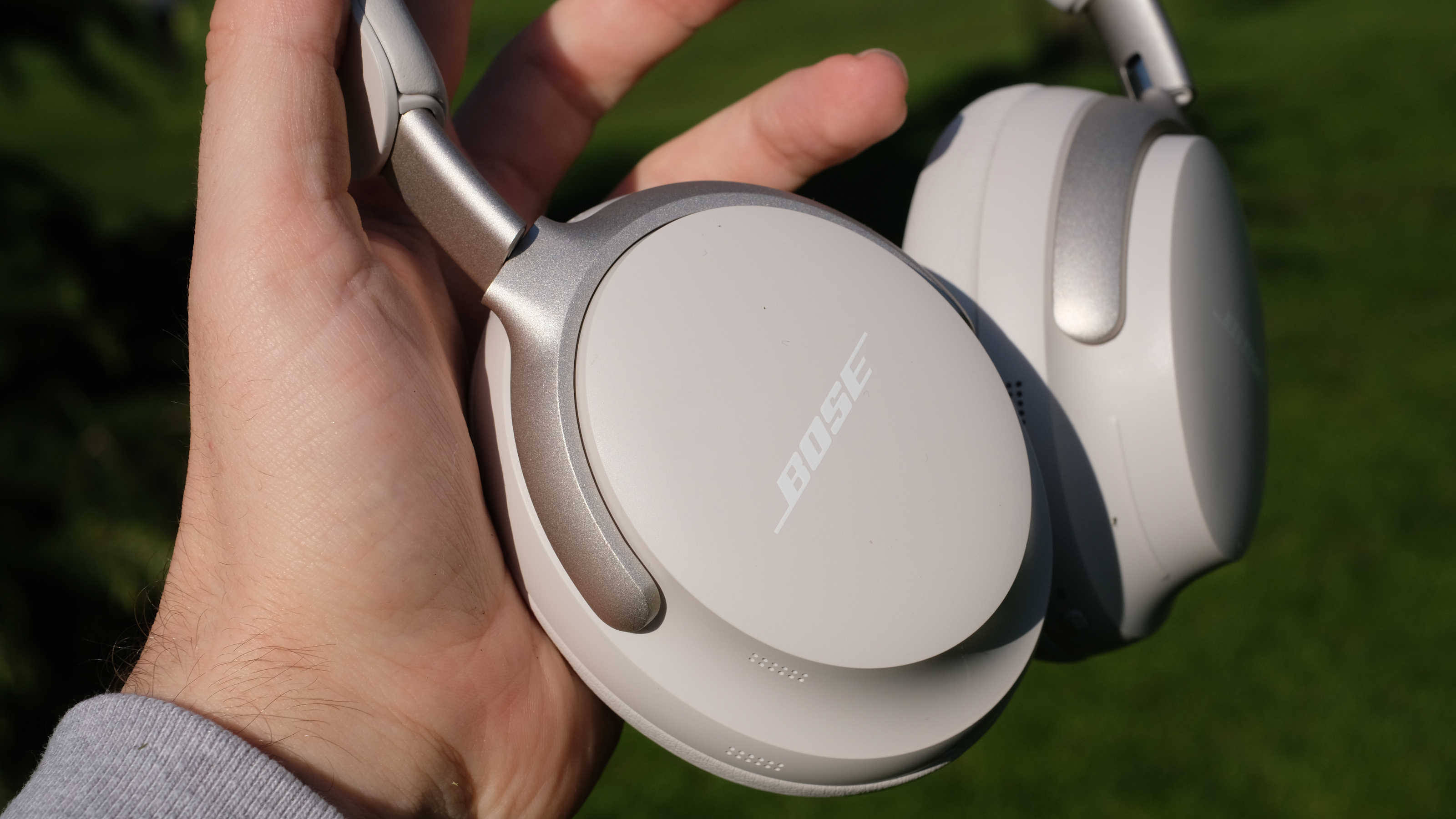
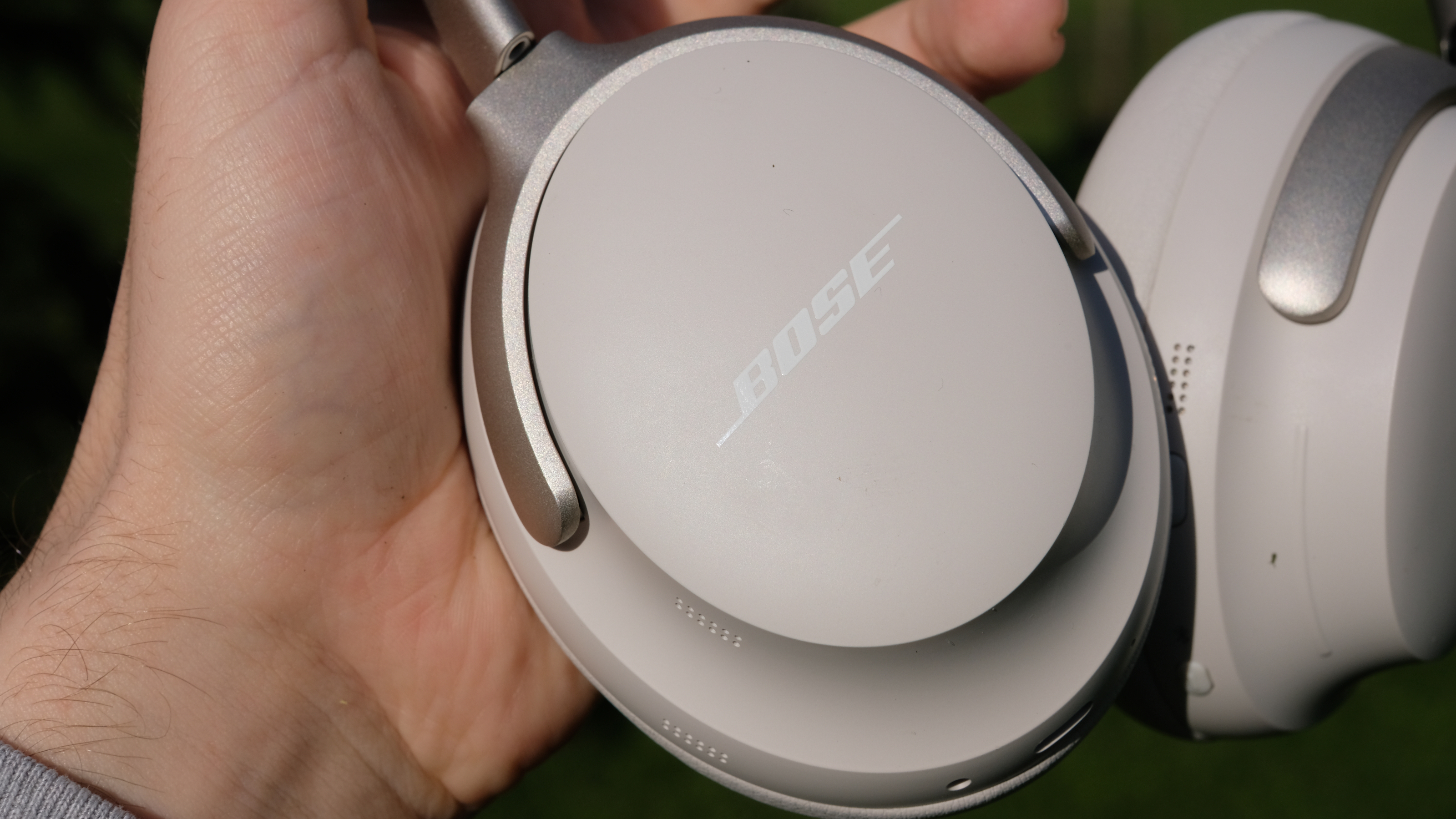
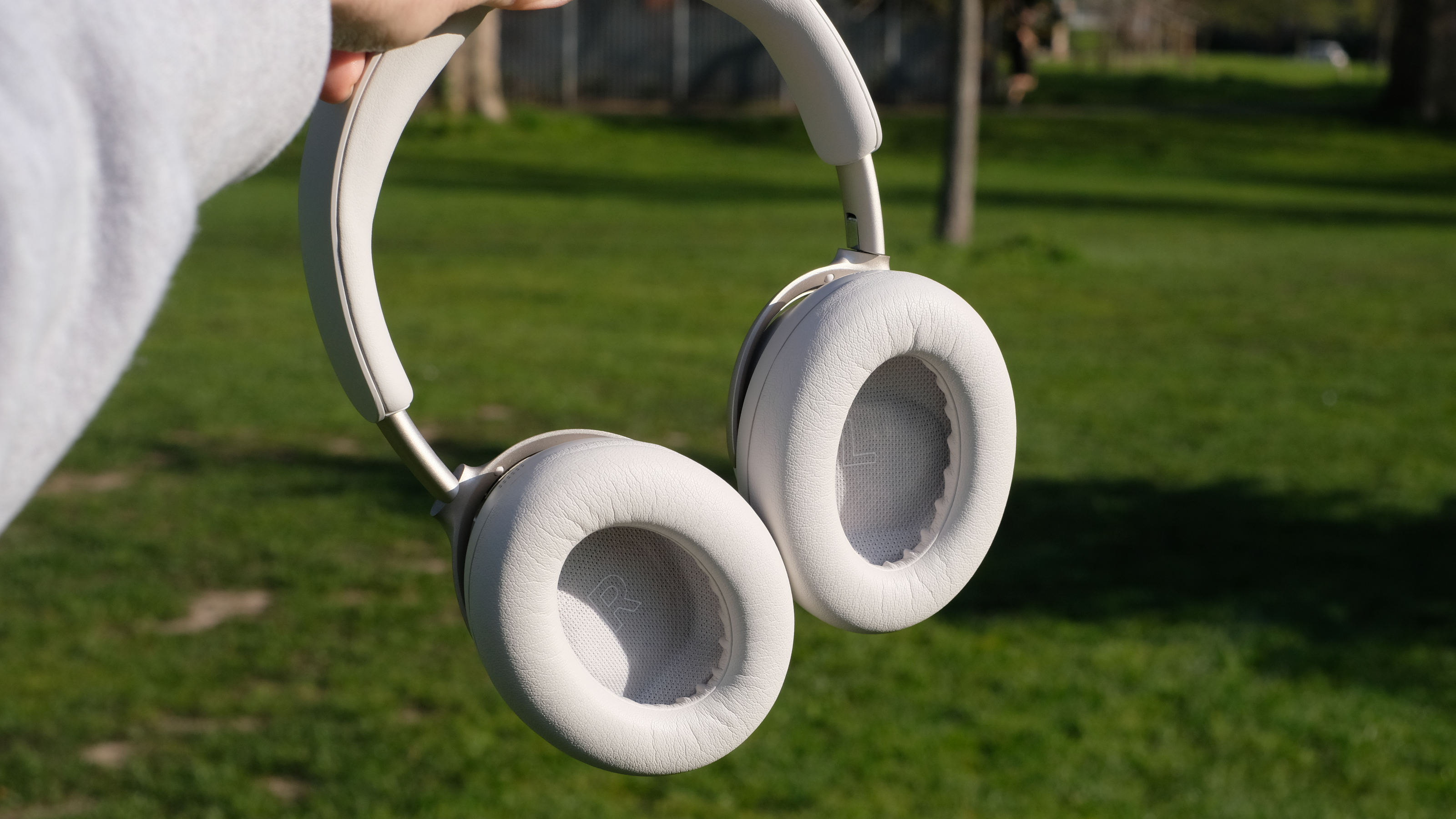
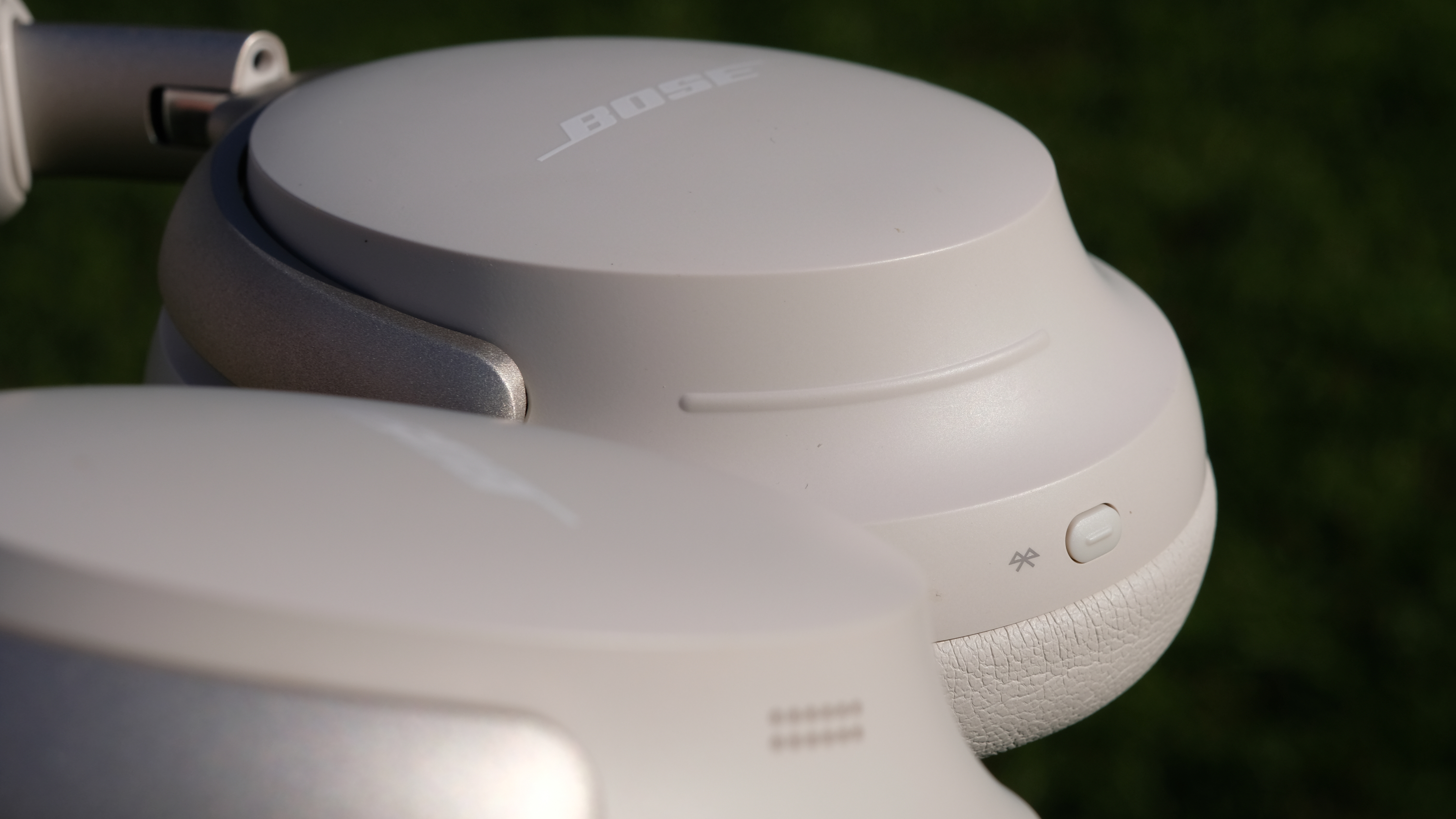
Now that they’ve been around for a few years – and the Gen 2 versions have been released – the Bose QuietComfort Ultra have seen some price reductions that change the game.
You can currently pick them up for $329 / £299, which is a significant discount on the launch price of $429 / £450, and makes them a tempting alternative to high-priced rivals like the $499 / £399 Sennheiser HDB 630 – as well as Bose’s own Gen 2 version, which are about the same price.
Sure, those headphones are better. But the QuietComfort Ultras are excellent, and I have no qualms about recommending them at their current price point.
Comfort & build
Image 1 of 4

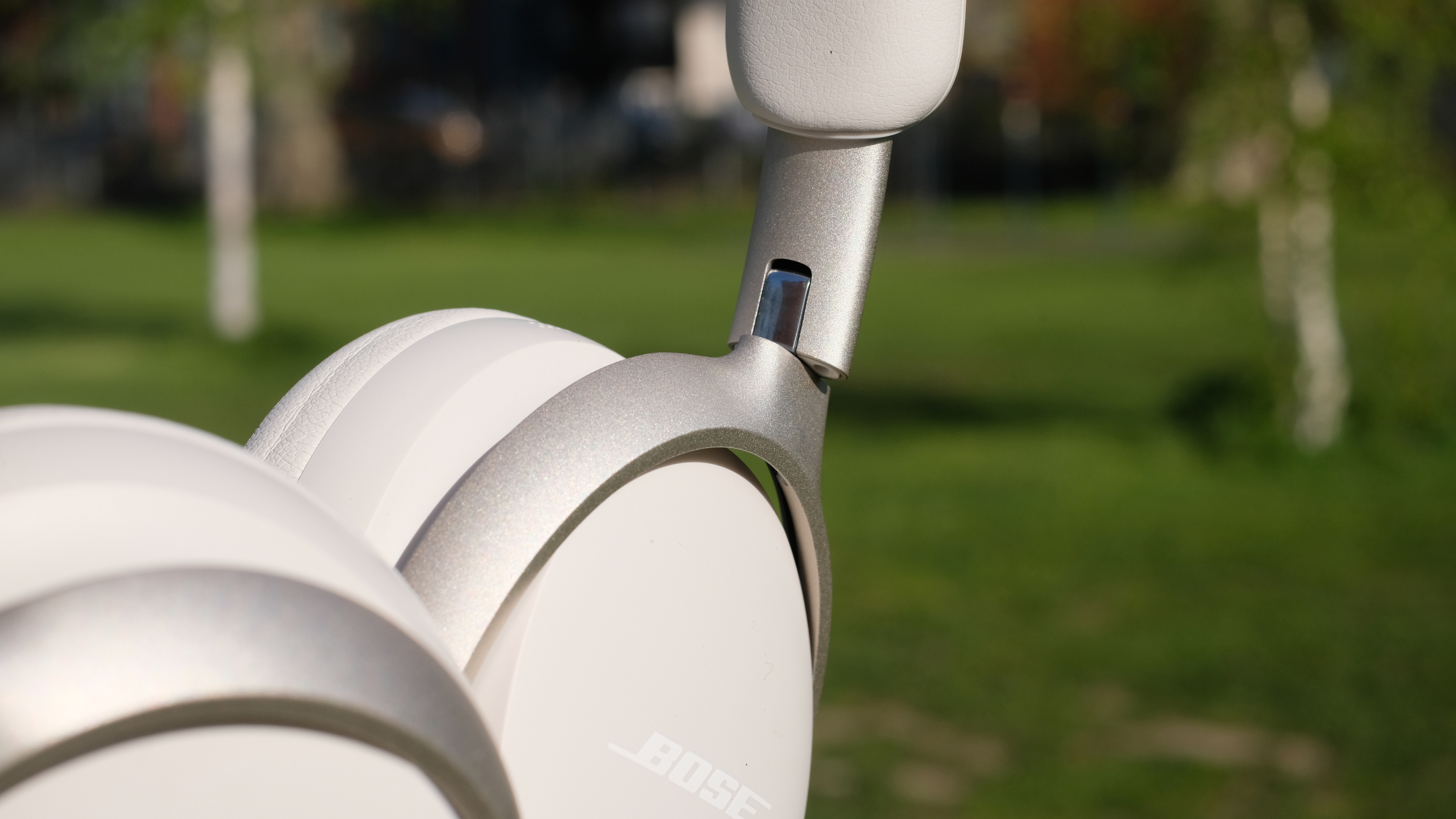
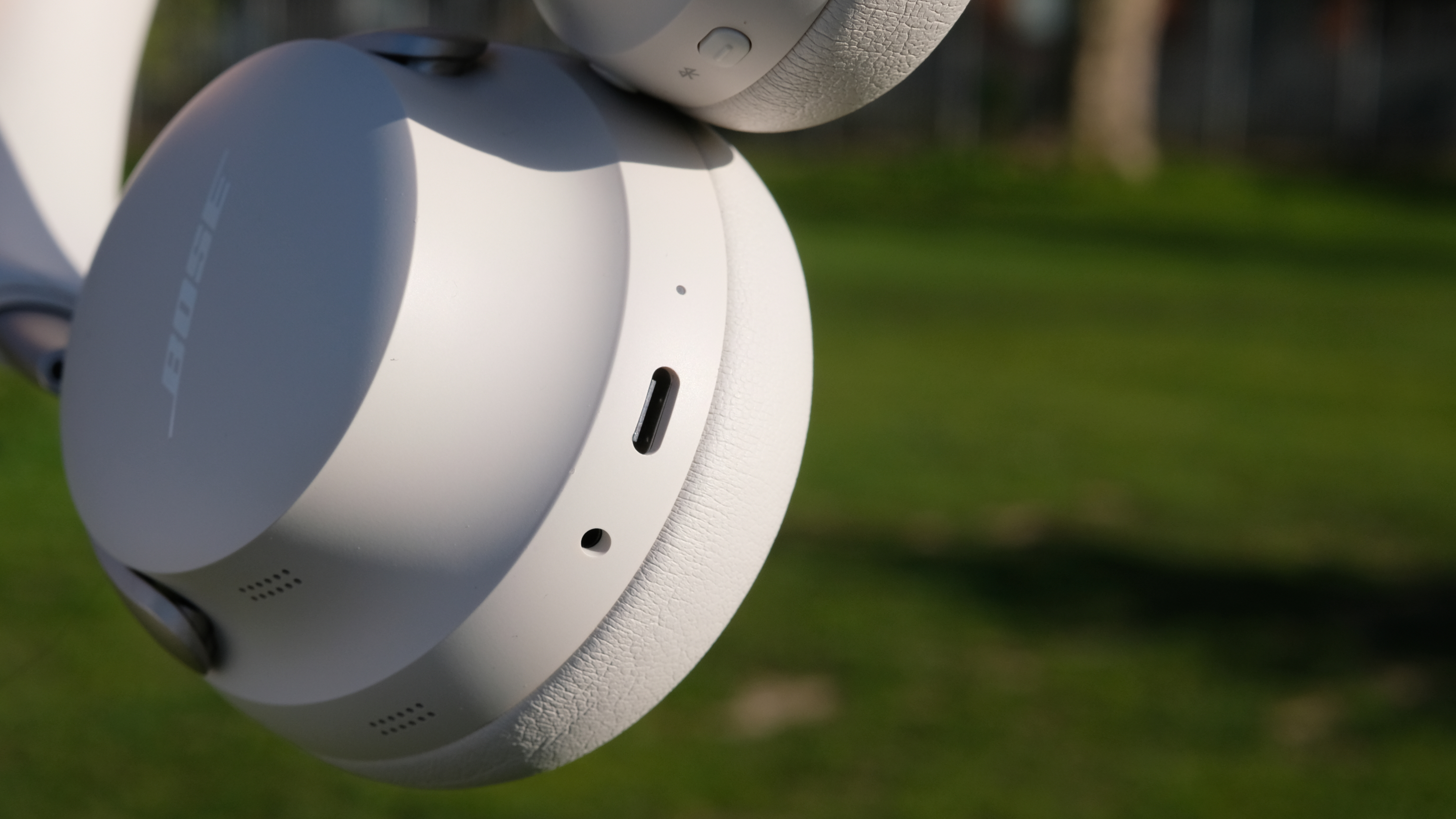
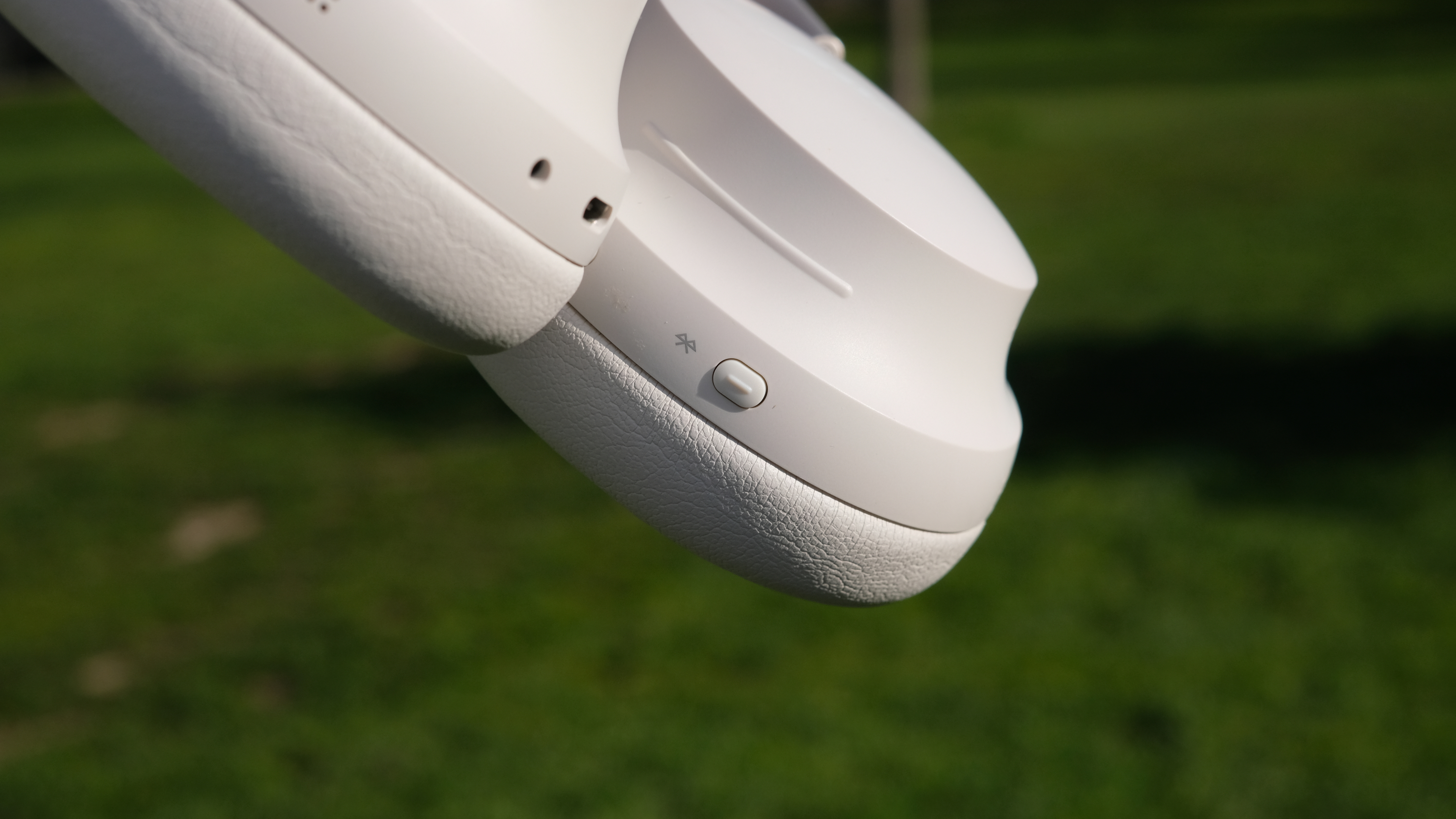
I was a little trepidatious when I first donned the QuietComfort Ultras. The cups felt a little small; the band felt a little close. Then, I realised that four hours had passed and I had basically forgotten I was wearing them. So, I have absolutely nothing to complain about here. Good job, Bose.
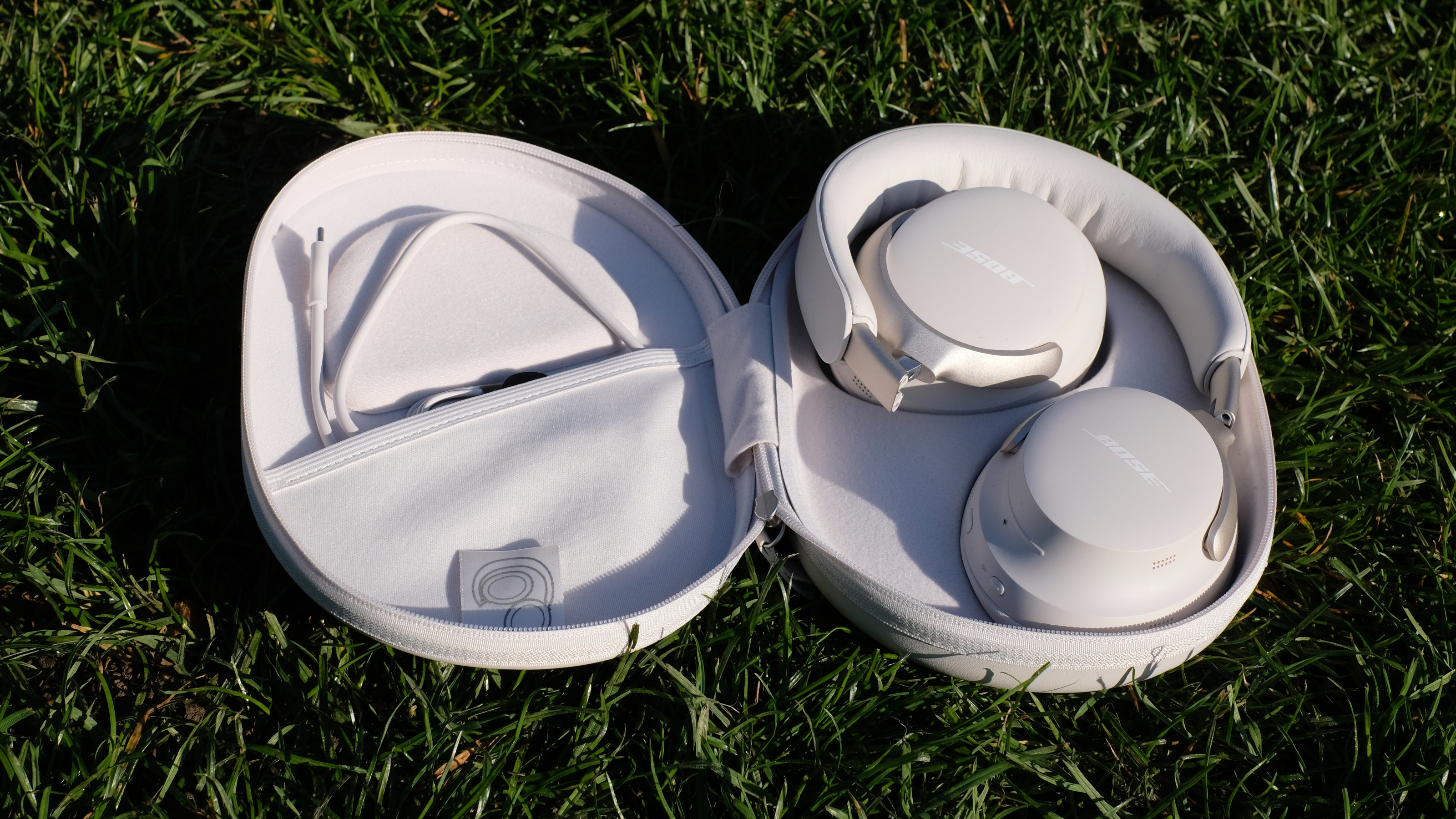
I love the folding and hinged design of the headphones – even if it takes a little practice to remember how they slot into the case. It’s perfect for travel, making the headphones genuinely portable in a way that premium over-ears aren’t always.
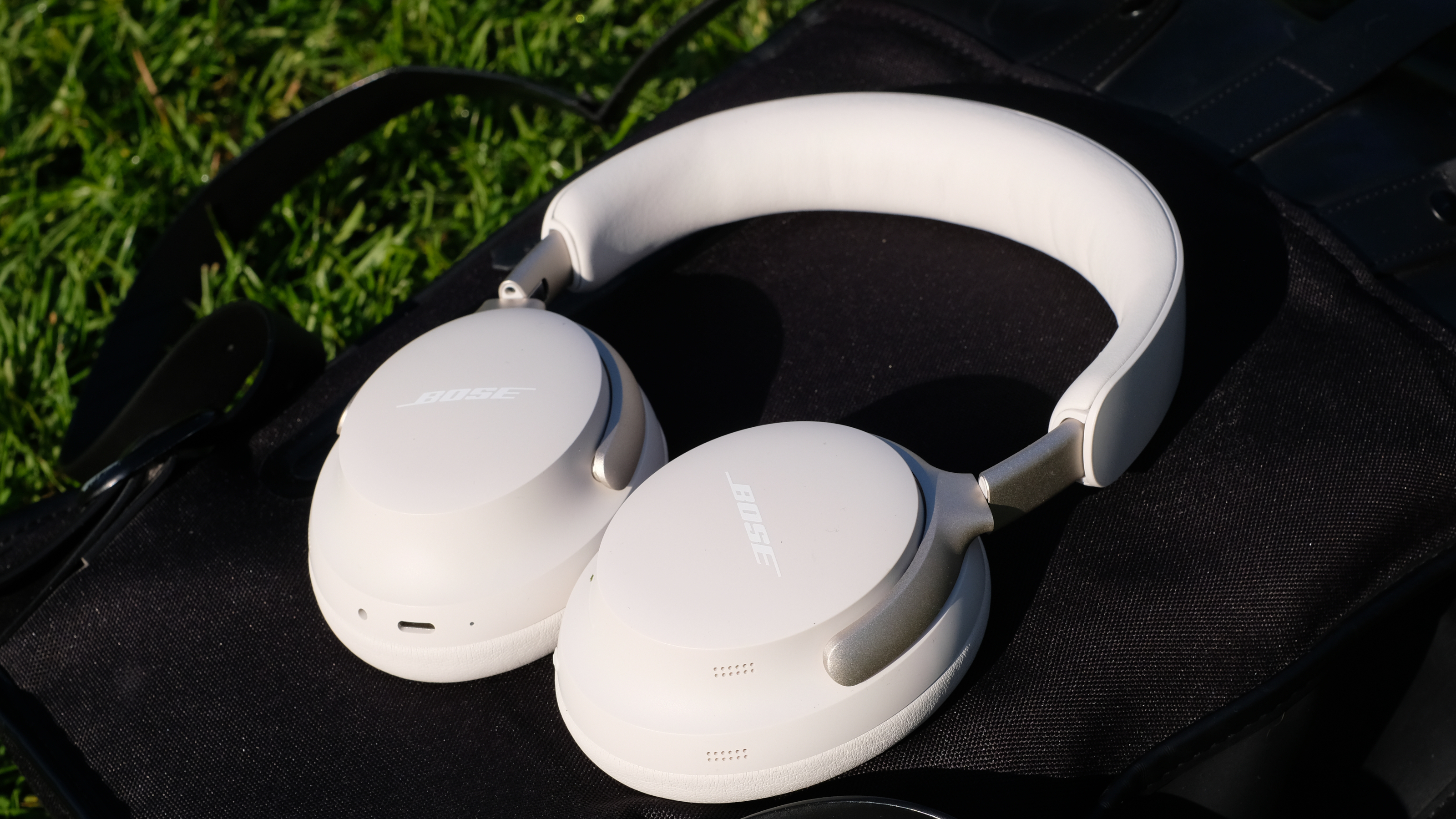
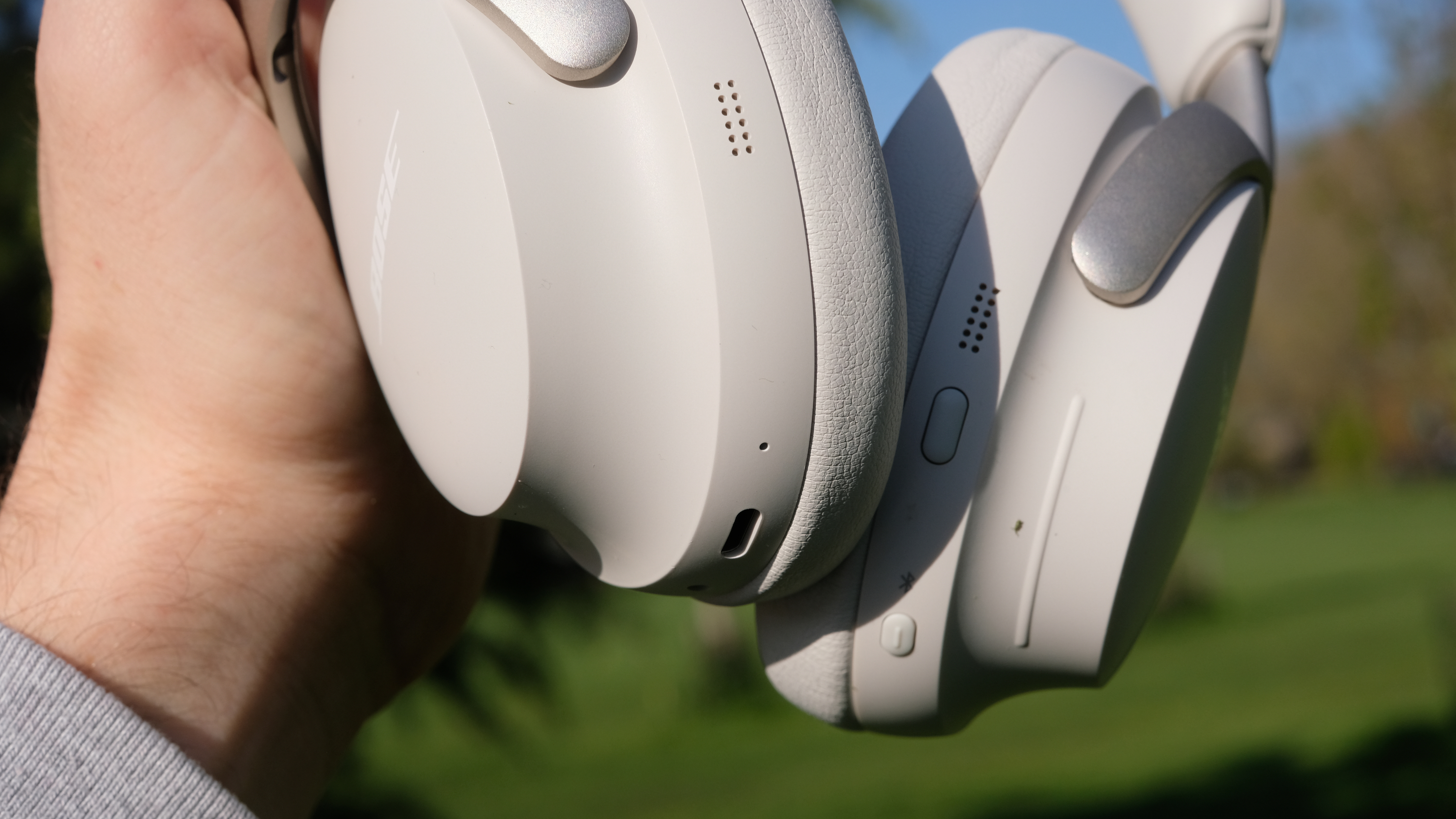
Controls are simple but well-engineered. There are a couple of buttons on the right earcup – one for power/pairing, the other a multifunctional control button – and a clever capacitive strip that’s used to control volume via intuitive sliding gestures. On the other earcup is a USB-C port for charging and a 2.5mm jack for wired listening.
Style-wise, the Bose QuietComfort Ultras are nothing to shout about; they look pretty much how you’d expect a pair of headphones to look. But I don’t think they particularly put a foot wrong.
Should you buy?
The Gen 2 version of the Bose QuietComfort Ultras corrected quite a few things that reviewers complained about at the time. They reined in that over-eager bass, improved the battery life, added the ability to listen wired via USB-C (it’s charging-only on the originals), and even somehow further improved the ANC.
However, this has had the effect of knocking a three-figure discount off the original Bose QuietComfort Ultras that I’ve been testing this week, and for me, that makes these headphones a very good buy indeed. Indeed, unless you’re desperate for wired USB-C listening, I’d recommend these over the Gen 2s. You can save yourself more than $100 / £100 and still get a fantastic pair of headphones.
And then there’s also that ANC. Nobody is doing it like Bose when it comes to making the outside world simply disappear. It’s just stunning, and makes an already great-sounding pair of headphones into something quite special.


