


How productive are you, really? Our research found that 72% of small business owners say technology helps them achieve better efficiency and productivity — a clear sign that smart tools can make a big impact. But are you getting down to the micro details of it all?
The good news is that the solution isn’t working longer, it’s working smaller. This is where microproductivity comes in: a simple, proven way to break down every daunting goal into tiny, actionable steps. Let’s learn how breaking big tasks into bite-sized wins helps your small team stay focused and get more done every day.
What is microproductivity?
Microproductivity is the practice of breaking down large, complex projects into tiny, actionable steps that take only a few minutes to complete. It turns your daily grind into a series of strategic steps that lead directly to your long-term goals.
By shifting your focus toward these small wins, your startup or small and medium business (SMB) team can maintain high energy and clear focus. This helps you stay steady even on your busiest days, because small actions add up to big results.
For growing, agile teams with limited resources and aggressive targets, microproductivity generates continuous, visible momentum. By systematically breaking initiatives into short tasks — such as drafting a quick email or refining a pitch deck — teams avoid the “all-or-nothing” trap. This allows them to allocate small pockets of time to high-impact work, making sure projects always move forward.
Here are a few examples of microproductivity tasks for small teams:
- Drafting a one-sentence summary of a recent client call in the CRM.
- Tagging a colleague on a sales record that needs their immediate attention.
- Refining a single bullet point on a pitch deck.
- Sending a quick internal message to confirm the next step on a project.
Boost team productivity with Salesforce
Why CRM is the heart of microproductivity
Small teams often struggle with heavy workloads that feel impossible to finish in a single sitting. Microproductivity offers a way to slice those bigger goals into pieces that fit into the gaps of a busy workday. When you use customer relationship management (CRM) — the all-in-one business tool — to track these tiny tasks, you gain a clear map of what needs to happen next.
A modern AI CRM allows your startup to capture every small detail — from a quick check-in call to a brief internal note — in one organized place. And, according to the latest Salesforce Small Business Trends Report, growing companies increasingly turn to technology to bridge the gap between strategy and execution. This helps you stay in a flow state, making it easier to complete high-quality work without feeling scattered.
Using a CRM helps you build a culture of consistency where every small effort contributes to the larger mission. Instead of waiting weeks to celebrate a finished project, your team gets a hit of dopamine every time they check off a five-minute task. It’s about making the work feel lighter while still achieving the heavy lifting required for growth.
Set up micro-milestones in your workflow
To get the most out of your CRM software, you should define what a micro-win looks like for your specific industry. This might mean breaking a sales pitch into five smaller steps, such as researching the lead, drafting the intro, and setting a calendar reminder. By formalizing these steps in your CRM, you ensure that everyone follows a proven path to success.
Kickstart your SMB with Starter Suite
See results from day one with a CRM designed for SMBs — the all-in-one suite for productivity. It all starts with Starter Suite.
Use AI to automate small wins
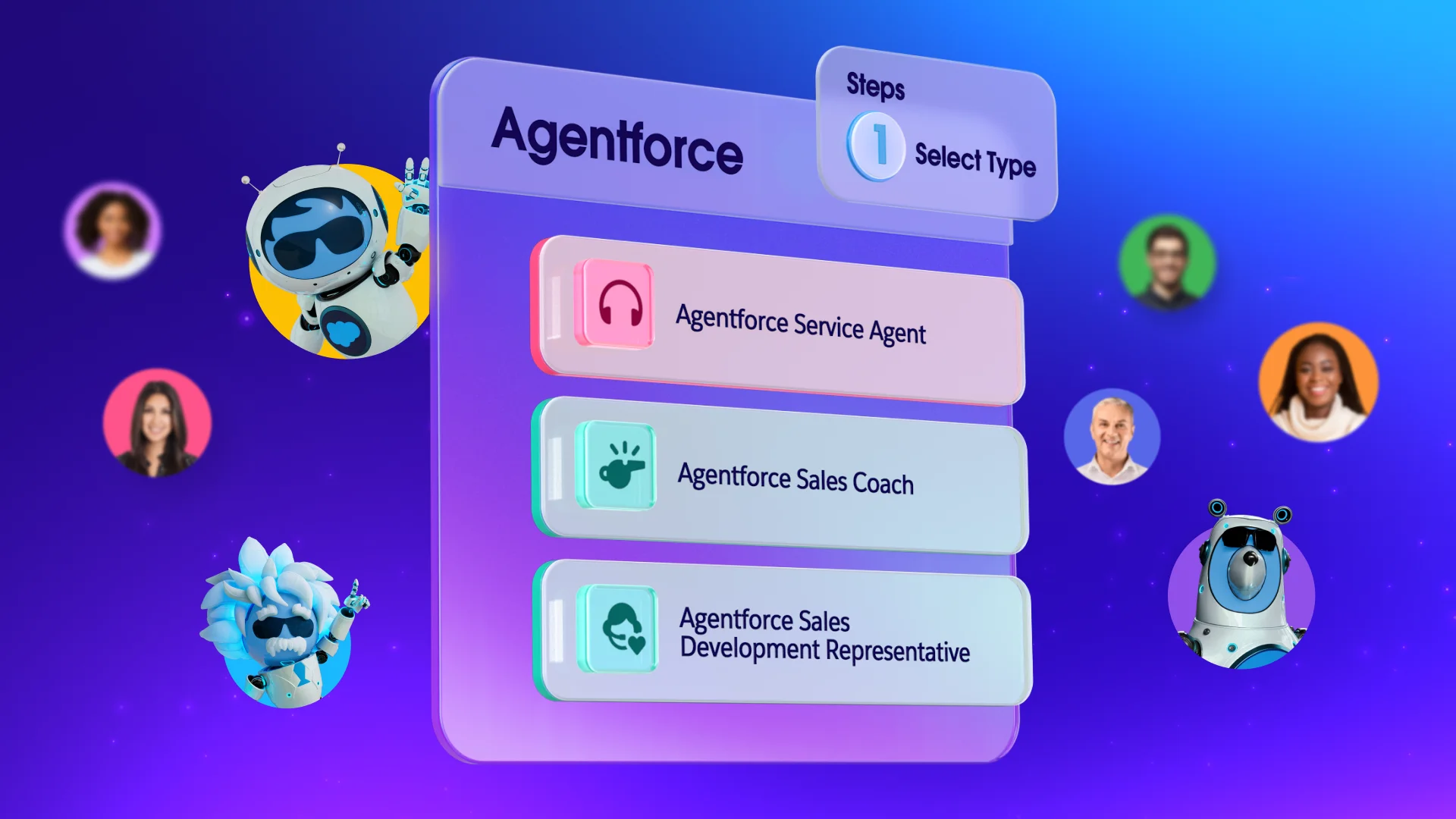
Modern technology makes it much easier to manage small tasks without losing track of the big picture. By activating artificial intelligence (AI), your business can automate the process of breaking down large assignments into smaller to-do lists. No small step is forgotten and every team member knows exactly what their next micro-task should be.
When you integrate AI with your CRM tools, you can reduce the manual effort required to keep your records up to date. For example, AI can help summarize meetings or suggest the best time to send a quick follow-up. This lets your team focus on the creative and strategic parts of the job while the employee AI agents handle the organization of it all.
Here are a few ways AI can help you with microproductivity:
- Automate the breakdown of large assignments into small, manageable to-do lists.
- Summarize meeting notes and long communication threads into quick, actionable micro-updates for the CRM.
- Suggest the optimal next micro-task (which lead to call) by analyzing historical data within the CRM.
- Draft quick follow-up emails or responses, reducing manual effort for communication micro-tasks.
- Set up automated alerts in the CRM when a micro-task is completed, ensuring smooth handoffs.
Boost efficiency with smart task suggestions
With training, AI in your CRM can help to predict which small actions lead to the biggest results. By looking at historical data within your CRM platform, the system can suggest which lead to call first or which support ticket needs a two-minute response. This type of guidance help your team stay productive even when they only have a few minutes between meetings.
Set up your (digital) workspace for microproductivity
The environment where your team works plays a major role in how well they can focus on small tasks. If you’re a virtual team, you need a centralized system where everyone can see their micro-tasks without having to dig through long email chains. A unified platform for sales and service ensures that every tiny update is visible to the people who need to see it.
Your digital workspace should be designed to minimize distractions so that micro-tasks can be finished quickly. By integrating your communication tools, like Slack directly with your CRM software, you remove the old “app switching nightmare”. This seamless experience allows your team to jump into a task, finish it, and move on to the next win with zero wasted effort.
Boost team productivity with Slack
Bring together your team, your customers, and your tools to help take your business to the next level with Slack — it’s where business gets done.
Adapt microproductivity for different sizes of teams
The way you apply these principles often changes as your headcount grows. For a solopreneur or a startup, microproductivity is about survival and preventing that feeling of being completely buried. It allows a single person to handle marketing, sales, and service by switching between tiny, high-impact tasks throughout the day.
As you grow, your focus shifts toward coordination and connection. In this stage, microproductivity helps to see progress in real-time without having to ask for constant status updates. Each small task completed in the CRM serves as a signal that the team is healthy and moving toward its goals.
Scale your micro-habits as you grow
When your team expands, your CRM should be the source of truth that keeps everyone on the same page. You can set up automated alerts that trigger when a micro-task is finished, ensuring a smooth handoff between sales and service. This allows you to scale without losing the personal touch that customers love.
Improve collaboration through bite-sized communication
Microproductivity isn’t just about individual tasks; it’s also about how your team shares information. Instead of long, winding meetings that take up half the afternoon, encourage your team to share micro-updates. A quick note in a shared record or a brief chat message can provide all the context needed to keep a project moving.
By keeping communication short and focused, you respect everyone’s time and allow them to get back to their work faster. This culture of brevity helps reduce the “meeting fatigue” that often plagues fast-growing startups. When your CRM is updated in real-time with small details, the need for formal syncs naturally decreases.
Using AI to draft these quick updates or summarize long threads can save even more time. Imagine a world where your team spends their energy on solving problems instead of writing status reports. This shift in mindset allows your business to stay lean and focused on the activities that generate revenue.
Grow Your Small Business With AI Agents
Learn how autonomous artificial intelligence (AI) can scale your small business for efficient growth with this free e-book.
Measure the impact on your bottom line
It might seem like small tasks don’t matter much, but they add up to significant results for your business. You can track how these tiny actions lead to better customer relationships and faster sales cycles over time. Microproductivity provides a granular view of your operations, showing you exactly where your team is most efficient.
By analyzing the data from your small tasks, you can find patterns that help you optimize your business processes. For example, if you notice that quick follow-up emails lead to a higher conversion rate, you can make that a standard micro-task for everyone, and track it along the way.
Here are a few micro-productivity metrics you can track:
- Completion rate: The percentage of five- to ten-minute tasks completed per team member daily or weekly.
- First response time: The average time it takes for a team member to act on a small alert or update in the CRM or communication channel.
- Task size distribution: The ratio of small (under 10 minutes) tasks completed versus large tasks (over 60 minutes).
- Follow-up efficiency: The time difference between a lead action (website visit) and the assigned micro-task follow-up being completed.
You can keep track of these in Slack, or an automated reminder in your team channels. Over time, these small improvements lead to a more resilient business model. Your team becomes better at pivoting when challenges arise because they’re used to handling work in flexible, bite-sized pieces. Small tasks, big wins.
Ready to go Pro?
Level up your CRM with the top-rated Pro Suite — the customer platform that scales with you.
Micro productivity to macro revenue
By making microproductivity a core part of your culture, you allow your teams to take ownership of their work. They can see the direct impact of their contributions on your overall success, and this is great for retaining talent as you grow. Ultimately, the goal is to create a business that’s both productive and healthy for the people running it.
Start your productive journey with the Free or Starter Suite today. Looking for more customization? Explore Pro Suite. Already a Salesforce customer? Activate Foundations to try out Agentforce 360 today.
AI supported the writers and editors who created this article.
How does microproductivity differ from standard task management?
Standard task management often focuses on big deadlines and milestones, while microproductivity breaks those milestones into tasks that take ten minutes or less. This helps small business owners avoid feeling overwhelmed by large goals.
Can AI really help a small team with such small tasks?
Yes, because AI can handle the mental load of organizing and prioritizing those tasks so your team can focus on execution. You can see how this works in practice by viewing the Salesforce Demo center.
What is the best way to start implementing this in a startup?
Start by taking one major project and listing every single tiny step required to finish it. Assign those steps to your team as individual micro-tasks within your CRM to see how much faster the project moves.
Does microproductivity work for remote teams?
It’s actually ideal for remote teams because it provides clear, frequent updates on progress without needing constant meetings. It keeps everyone connected through small, visible wins in a shared digital workspace.
Will this approach slow down my overall project timeline?
Actually, it usually speeds things up because it eliminates the starting friction that happens when a task feels too big to begin. By knocking out small pieces constantly, the project reaches completion much more steadily. You can explore more tips for team efficiency on the Salesforce Sales Blog.


