


Over the years, especially if you’re not a deep cut anime fan, there’s a version of cyberpunk we’ve all been trained to expect, it’s neon glow, glassy surfaces and hyper-clean UI, but PC-shooter Mullet Madjack, coming to Switch on 30 April, isn’t interested in that version at all, instead it tears the genre back to something older, rougher, and a lot more physical.
“The references were VHS era anime,” says game director and art director Alessandro Martinello, pointing to the best anime of the era, Akira, Ghost in the Shell, Riding Bean, and Cyber City Oedo 808, but what matters is what he leaves out. “I pick things that differentiate the classic ’80s cyberpunk from the modern reinterpretation… fewer neons, more circular vents, and old tech like CRT monitors and a very bulky cell phone.”
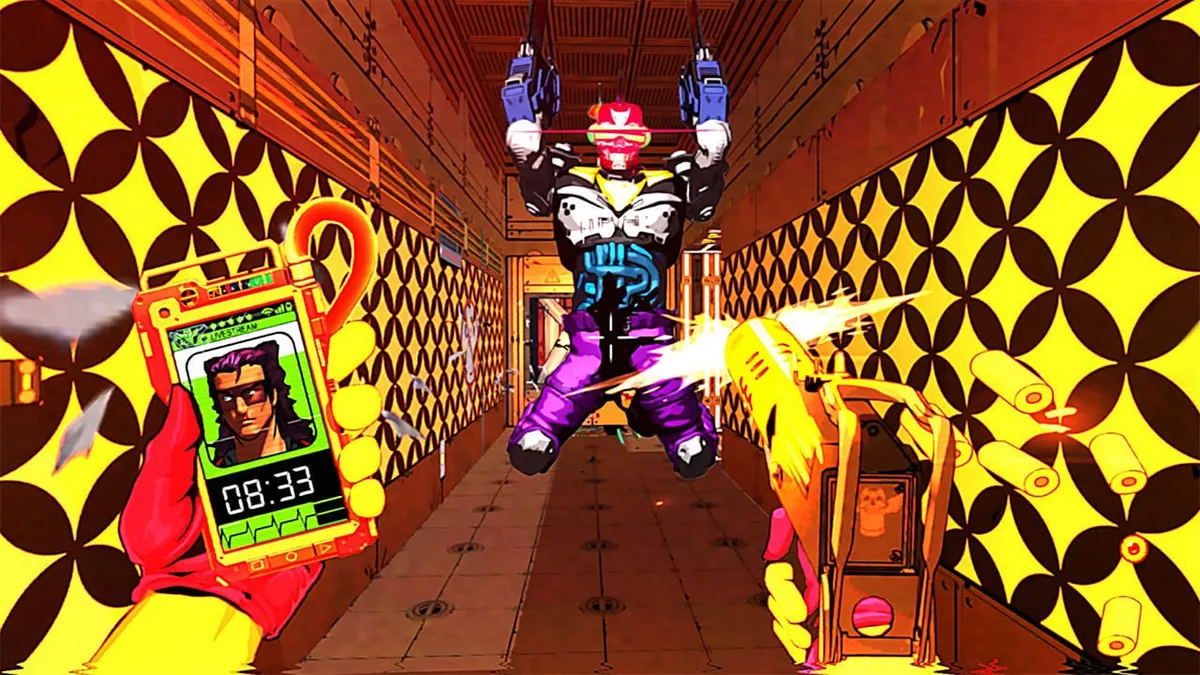
I’ve been playing the Switch version ahead of release, and it’s the kind of colourful, fast and sugary shooter that feels impossible to put down. Each mission is blasted through in minutes, weapons can be swapped out from pistols to machine guns and samurai swords, each offering different buffs and debuffs, fast and faster still ways to dispatch enemies, and well… it’s simply breathless.
Visually, though, Mullet Madjack is controlled in a very specific way, and its boldness and unique anime visuals hold everything together, making it readable even at such extreme speeds. “The basis was basically red as a focal point against walls of metal,” Martinello explains, with the rest of the palette tuned to echo retro anime quirks, “more dark skin tones and the girls’ green hair.”
Even the UI resists modernity, as Martinello says, “the UI has some resemblance to MS-DOS and Windows 1.0”, while the action is framed at night because, as he puts it, “Akira was the mainstream reference that people remember.”
Image 1 of 3
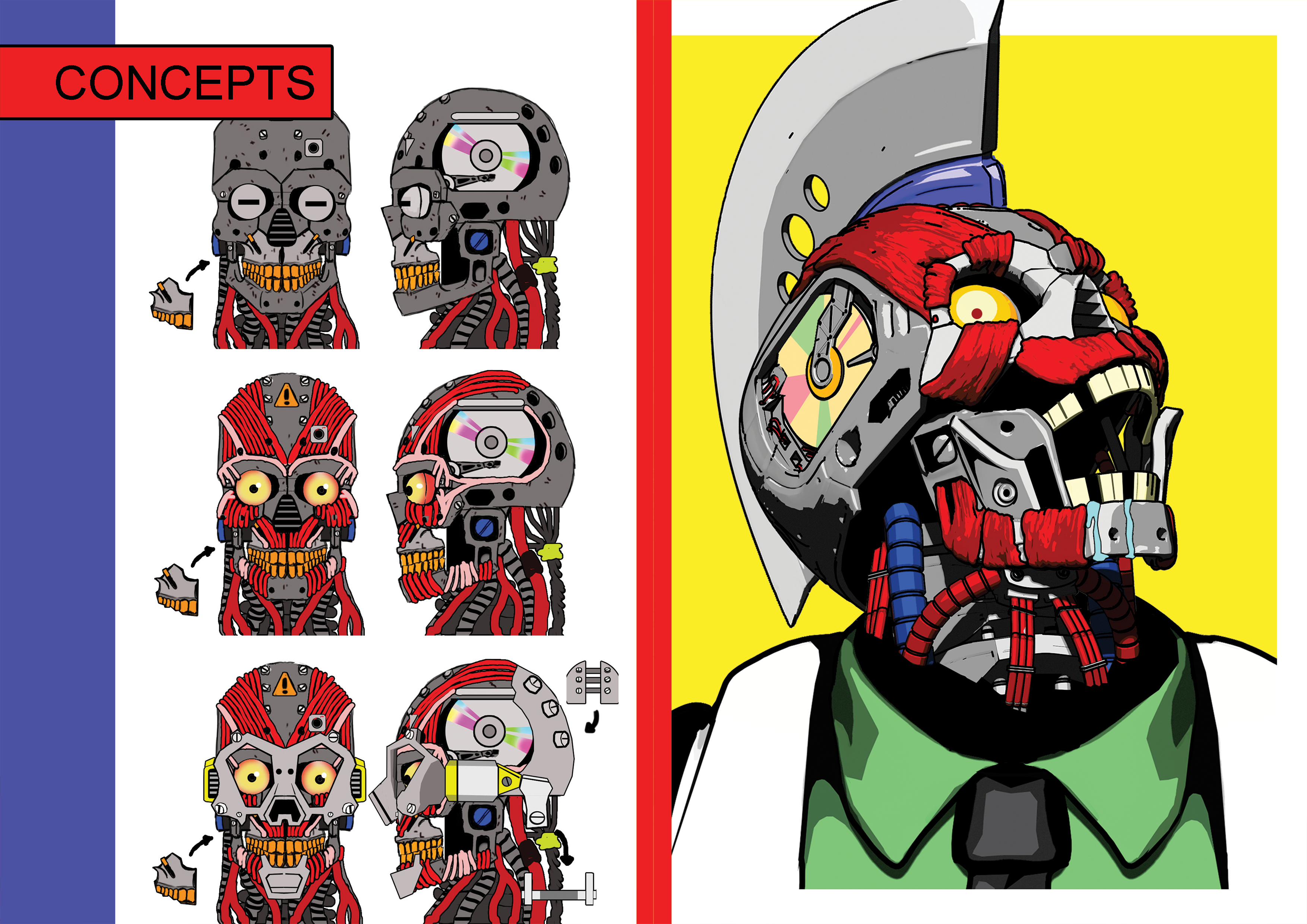
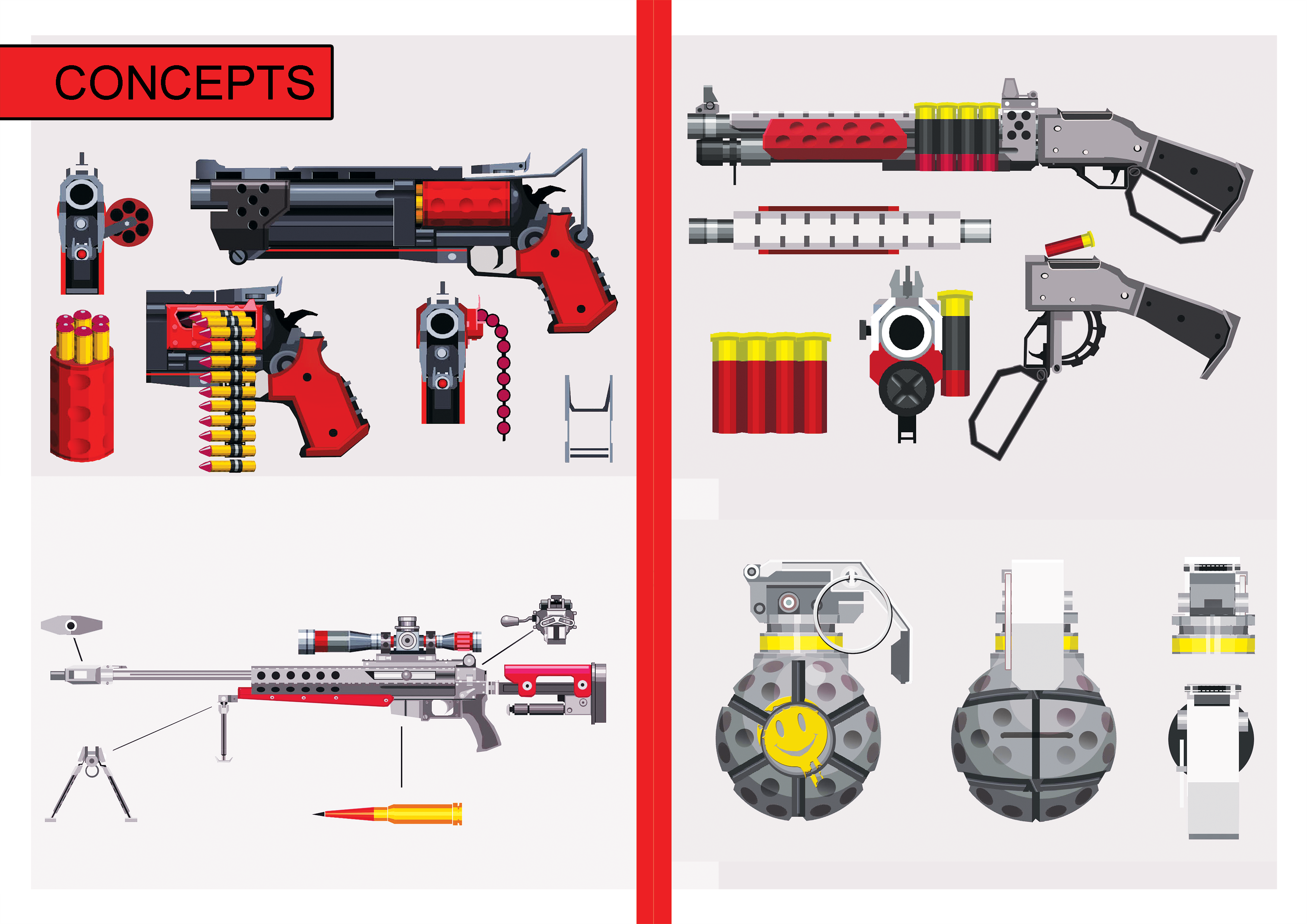
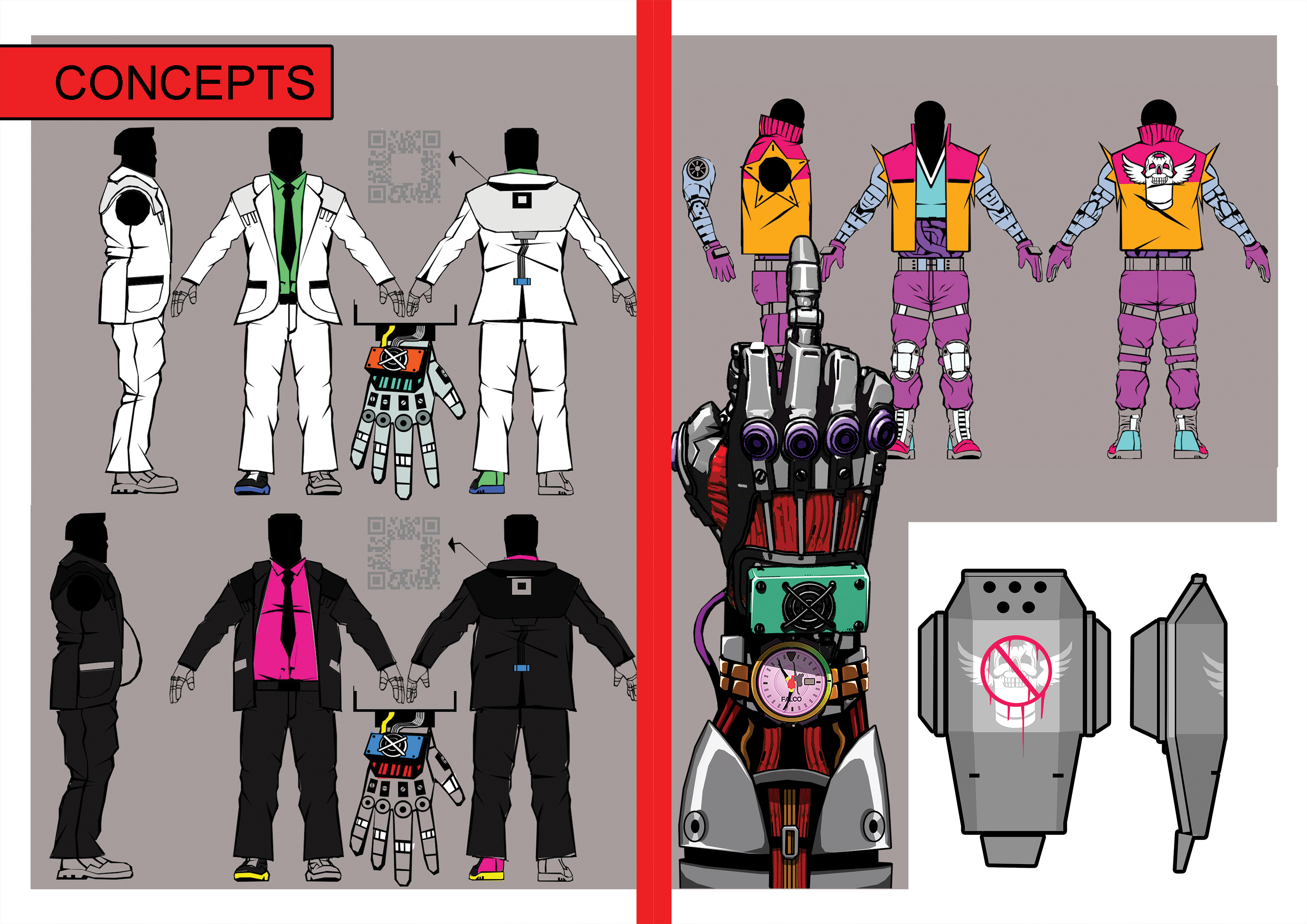
What really defines Mullet Madjack, though, is its embrace of imperfection, or at least its refusal to clean things up. “We are never too afraid of noise,” Martinello says, and that noise becomes texture: a VHS shader that introduces “some kind of old low-res film grain and other nice effects,” hand-adjusted animation frames “simulating the cells of the pre-digital animation,” and lighting tied to sprites so carefully that “people would think that is some real-time tech.”
Some of that comes down to scale, “we are a small team with only one designer”, but it’s also a kind of design that comes from constraint, where the feel of what’s happening on screen is as important as what’s happening, which in most cases is a blade in the head.
“I made a lot of art assets before the first line of code,” Martinello says, even spending “six months creating and perfecting the main character and his car,” and that art-first approach carries through, with “small adjustments to the art” happening throughout gameplay testing until everything locks into that fast, tactile rhythm.
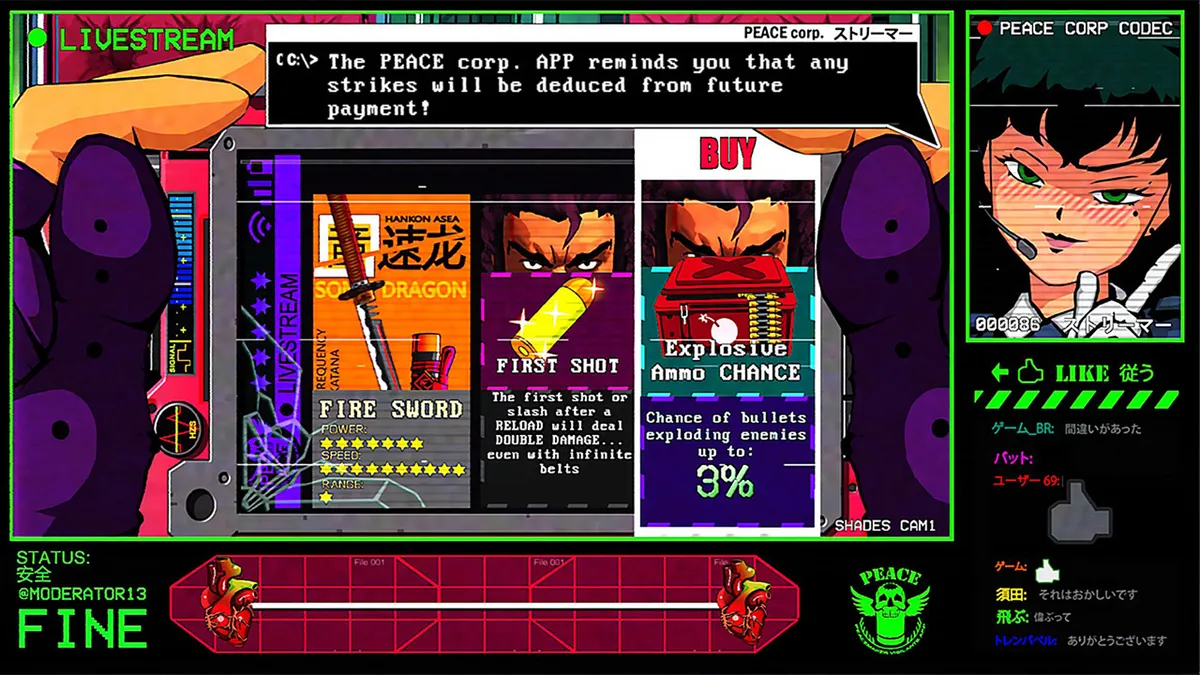
If you think this is a style you can just copy, he’s pretty clear on that, too. To get it right, he says, you need to have “watched ‘80s and ‘90s anime and truly love it,” otherwise you miss the details, such as the unique shading, pacing, and atmosphere, the stuff that isn’t obvious, but holds it all together to build into a cohesive retro design.
Which is why Mullet Madjack doesn’t feel like a throwback so much as a reconstruction, and is also very current: nostalgia is one part of the design, but rebuilding and embracing a visual language – the buzz CRT flicker, VHS noise, and all – that can often be massaged away in many modern anime games.


