


What is the difference between strategy and tactics, and why do successful small and medium businesses (SMBs) need both? It’s a fundamental question for any growing company. Many business owners find themselves stuck in the day-to-day work, executing countless tasks without a clear destination, while others have a grand vision with no practical plan to get there. The secret to scaling a successful business lies in defining a powerful, long-term strategy and aligning it with agile, short-term tactics.
To answer these questions, we gathered all the information SMB owners need to move forward with a solid business strategy, while understanding business tactics as well. Let’s jump into the differences between the two, and how they impact your team.
Strategy and tactics, defined
Let’s officially define both terms here:
- Strategy defines your long-term goals.
- Tactics are the specific actions you take to achieve those goals.
Think of your strategy as your destination, and your tactics as the actions you take to get there. Both are essential to your growth journey. Your destination (strategy) tells you which direction to go, and the turns, route, and vehicle you take are the (tactics) that get you there. When you align your big-picture vision (strategy), with your day-to-day actions (tactics) you move from managing a business to actually scaling a successful one.
We’ll use this example to guide you through what these terms mean and how they inform each other:
The bakery, Daily Loaf, has a long-term strategy, spanning three to five years, to become the premier artisanal bakery in the city, known for quality and unique flavor profiles, with a goal of achieving 25% year-over-year revenue growth.
Their tactics are daily, weekly and monthly execution steps. This month, they launched a “Sourdough Subscription Box” on the first Monday of every month to guarantee recurring revenue and customer loyalty. The specific execution, or tactical move, involves using Instagram to run targeted ads to local food bloggers and neighborhood groups promoting the new subscription box. The short-term success of this tactic is measured by subscription sign-ups, website traffic from social media, and the cost per acquisition (CPA).
Strategy: The long-term plan
A business strategy is the overarching plan that defines your long-term goals and how you intend to achieve them. It answers the fundamental question, “Where do we want to be in the next three to five years, and how will we get there?” For the Daily Loaf, this is becoming the premier artisanal sourdough bakery in the city. No tactics yet, just a high-level goal.
Tactics: The specific actions you take
Tactics are the specific, measurable, short-term actions that directly support your long-term strategy. Every action taken to get to your strategic goal is considered a tactic.
For the bakery, the tactic supporting the artisanal sourdough strategy is the subscription box and the accompanying social media spend to reach influencers and food bloggers. This action is concrete, and directly supports the high-quality, artisanal strategy.
Tactics require flexibility and data
Tactics are often shorter-term, changing as quickly as the market or customer feedback dictates. They involve the day-to-day work across your portfolio — sales, service, marketing, commerce, and operations. Ideally, every tactic should ladder up to your strategy.
For example, if your social media tactic isn’t generating enough engagement, a good SMB leader will quickly pivot to try a new platform or content type. This tactical flexibility, guided by data, is how you achieve strategic success. Since your tactics are only as good as your data, you’ll need a customer relationship management (CRM) platform to store and manage it all. A CRM will help you build your strategy, align your tactics, and inform your business decisions.
Kickstart your SMB with Starter Suite
See results from day one with a CRM designed for SMBs — the all-in-one suite for productivity. It all starts with Starter Suite.
Bridge the gap between strategy and tactics with CRM
CRM helps small businesses automate and manage the tactics that bring the strategy to life. For instance, a strategic goal to “increase customer retention by X%” relies on many small tactics. It can also automate sending of personalized follow-up emails (a marketing tactic) after a purchase and track customer service interactions (a service tactic) to ensure quality (a data strategy).
Aligning strategy and tactics for growing business
Here we dive into the feedback loops of both. A feedback loop is a continuous cycle where the results of executed tactics are measured, analyzed, and used to inform and refine the overarching strategy.
The most successful businesses treat strategy and tactics not as a one-time setup, but as a continuous loop. Your strategy sets the course, your tactics are executed, and the results of those tactics feed back to inform and refine your strategy.
Let’s stick with the Daily Loaf’s sourdough subscription box tactic to understand how. So, if the bakery’s subscription box is wildly successful, the strategy might be amplified to focus even more, with additional subscription boxes of other foods or shipping to other cities. If it fails, the strategy remains, but the tactics change – maybe the subscription box is retired, or its price point is adjusted. This continuous feedback loop helps teams remain agile.
Maximize Your CRM Productivity
Learn how small and growing businesses are taking productivity to new levels with Salesforce CRM in this free e-book.
The role of AI in strategy and tactics
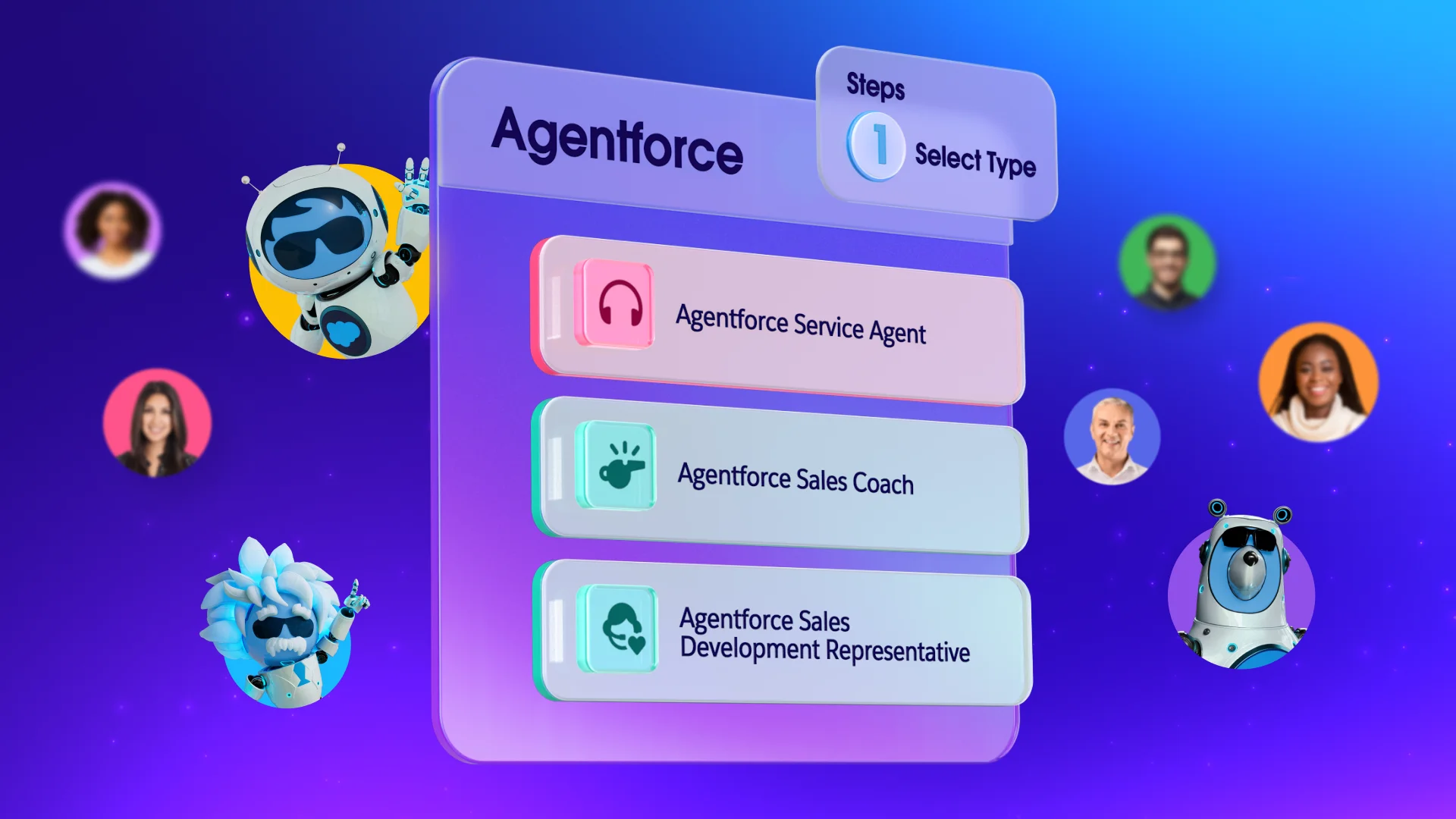
Artificial intelligence (AI) is quickly becoming a core part of small businesses looking to handle tactics more effectively. AI can be trained to execute repetitive, data-heavy tasks, freeing up your team to focus on higher-level strategic work.
For example, a sales tactic to “identify the 10 best leads each week” can be executed by an AI agent — a trained, autonomous digital worker — which scores and surfaces those leads instantly. This makes the tactical execution faster and more accurate, directly supporting your sales strategy.
TLDR; Strategy and tactics work (better) together
Strategy and tactics combine human oversight with automated execution, and when all goes well, these executions support your strategy. Salesforce can help analyze customer data, identify trends, and even recommend tactical adjustments, providing the data needed to refine your long-term strategy.
Start your CRM journey with the Free or Starter Suite today. Looking for more customization? Explore Pro Suite. Already a Salesforce customer? Activate Foundations to try out Agentforce 360 today.
AI supported the writers and editors who created this article.
What is the primary difference between strategy and tactics?
Strategy is the “what” and “why” — the high-level, long-term goal and plan. Tactics are the “how” — the specific, short-term actions and resources used to execute the strategy.
How does a small business use a CRM to align its strategy and tactics?
A customer relationship management (CRM) system centralizes customer data, which helps define the overall business strategy. The CRM then automates the day-to-day tactics, such as sending marketing emails, logging sales calls, and managing service tickets, ensuring these actions directly contribute to the strategic goal.
Should a small business focus more on strategy or tactics?
A small business must focus on both. An excellent strategy without execution (tactics) is just a dream, and busy work (tactics) without a guiding strategy is wasted effort. The key is to create a strong strategy first, then design tactics that directly support it.
Can artificial intelligence (AI) help with strategy?
Yes, AI is highly effective at supporting strategic decision-making. While humans set the vision, AI can rapidly analyze vast amounts of performance data from executed tactics, identifying trends and recommending strategic or tactical adjustments, which closes the feedback loop.
How often should a small business review its strategy and tactics?
While strategy is typically a longer-term plan reviewed annually or semi-annually, tactics should be monitored and adjusted frequently, often weekly or monthly, based on performance data to ensure they’re effectively moving the business toward its strategic goals.


