


The FIFA World Cup is here, and the advertising battle is in full swing. Global sponsors are unveiling major campaigns while football legends are appearing across multiple brands, and marketers are competing for attention around what promises to be one of the biggest cultural and commercial moments of the decade. (Also see the best World Cup football kits for more on where design meets football.)
But looking across the first wave of World Cup advertising, something more interesting is happening than a simple rush to secure visibility. Several creative trends are emerging that reveal how brands are thinking about football fandom, culture, and relevance in an increasingly crowded market.
Hosted together across the United States, Canada, and Mexico for the first time, the tournament presents a unique challenge for advertisers in how to engage lifelong football fans while bringing new audiences into the conversation. The answer, so far, can be found in these clear, creative trends that are already shaping campaign strategy.

Fan-first storytelling is replacing product-first advertising
The most important shift isn’t who’s appearing in World Cup advertising, but more on what the advertising is about. Historically, major sporting events have often served as oversized product or brand showcases. Today, many World Cup brands are taking a different approach where, rather than leading with product promotions or brand, they’re building campaigns around football fandom itself.
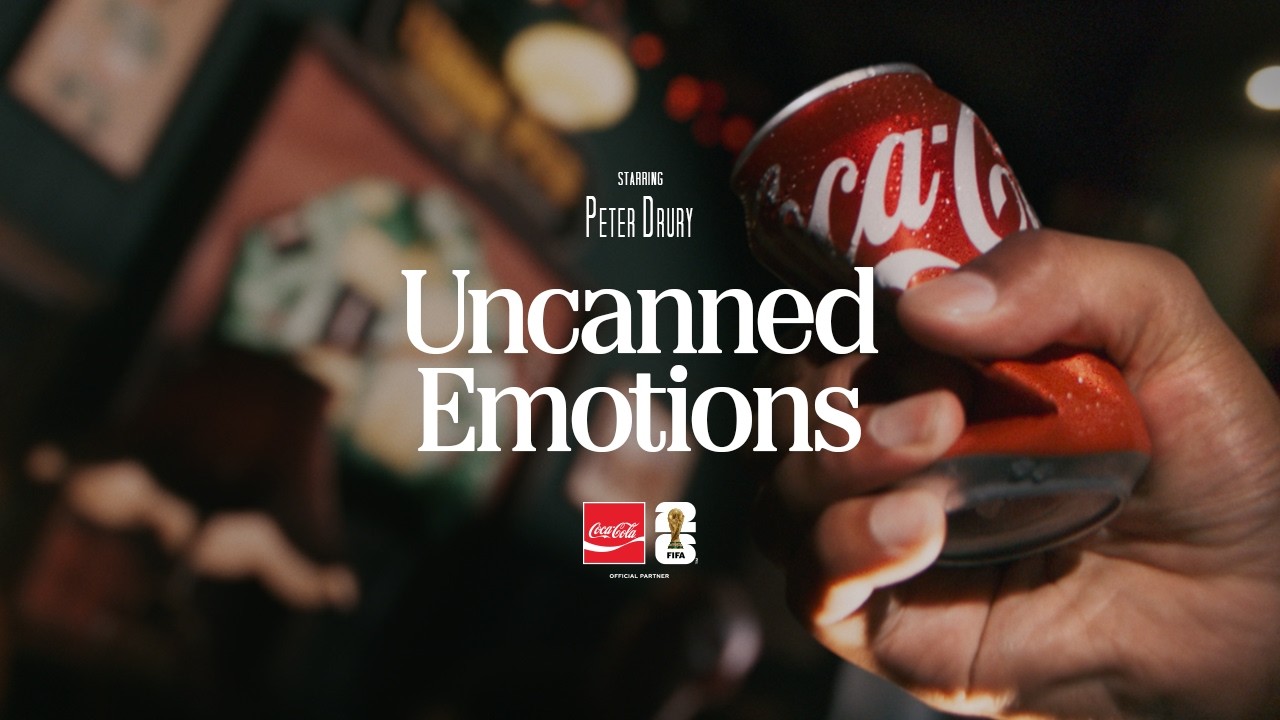
Coca-Cola’s “Uncanned Emotions” campaign is a perfect example. Rather than relying on superstar athletes, it taps into commentary, one of football’s most powerful emotional triggers. By featuring iconic football voices, Peter Drury and Luis Omar Tapia, for different audiences, Coca-Cola creates an emotional connection rooted in the experience of watching the game.
The strongest campaigns understand that fandom isn’t a media audience. It’s an emotional state, and the goal is no longer to interrupt the experience, but to become part of it.
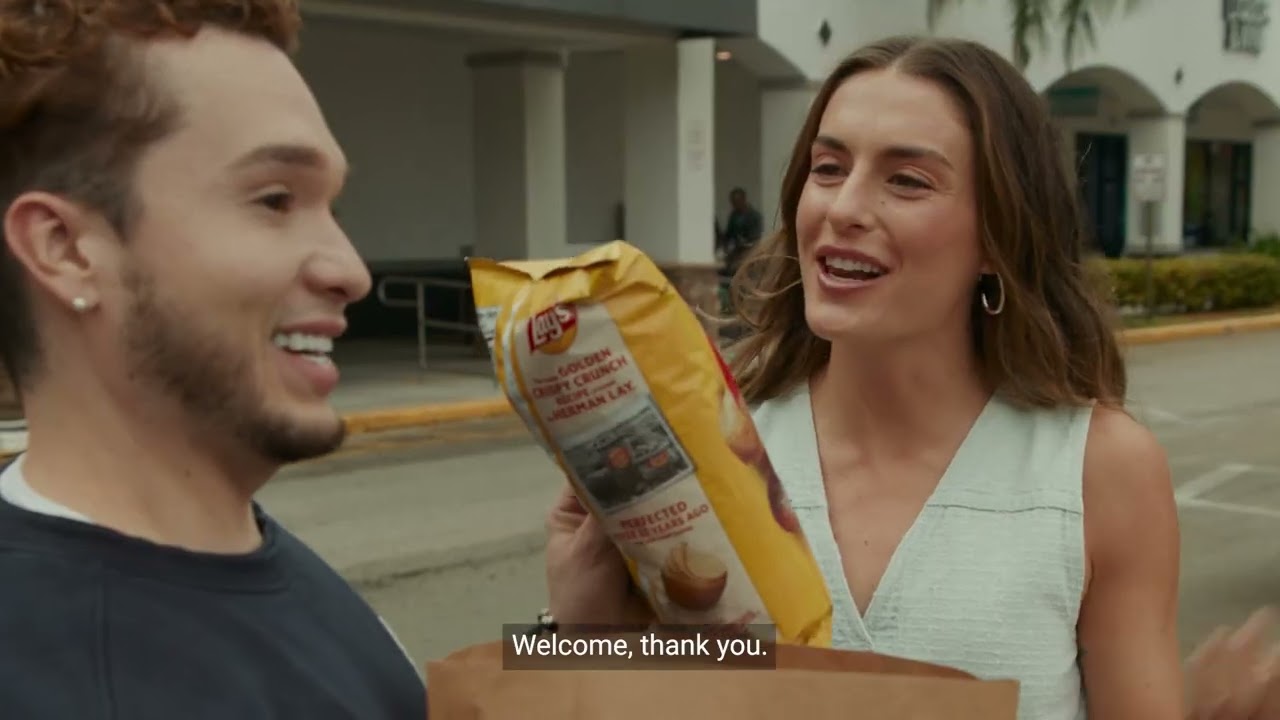
While storytelling may be evolving, one aspect of World Cup advertising that remains remarkably consistent is the industry’s reliance on football legends. According to data from XR, 75% of official sponsor campaigns released so far feature ensemble casts of celebrities, athletes, or both. More than half feature football legends, including Lionel Messi and David Beckham.
Messi alone has already appeared in campaigns for Lay’s, Adidas, Duracell, and Mastercard, while Beckham continues to feature prominently across work from brands including Lay’s, Stella Artois, and Pepsi.
It’s easy to understand why. This World Cup presents a unique challenge for marketers because many viewers, particularly in North America, may be engaging with football for the first time, and legends offer instant recognition and cultural credibility. Even if you’ve never watched an England match, you know David Beckham. And if you’ve watched Ted Lasso, you’ll probably recognise Thierry Henry, who also appears prominently in Kia advertising.
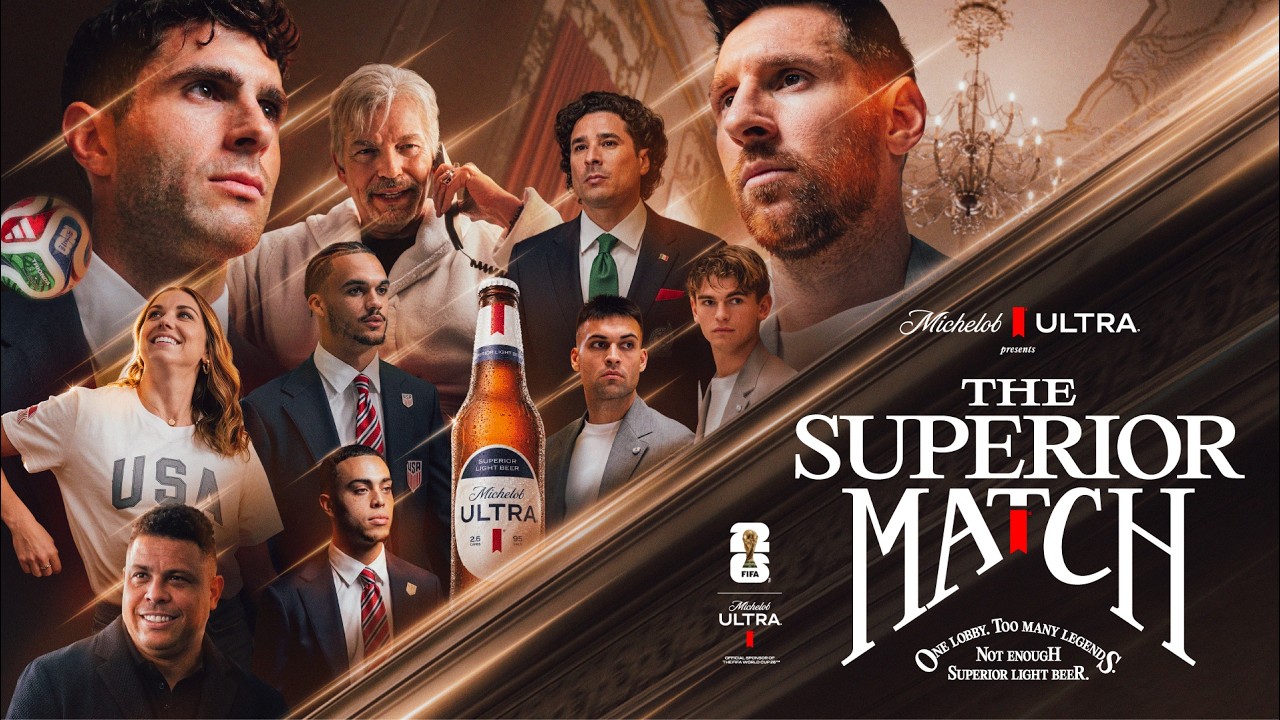
The smartest campaigns are using those icons as bridges between audiences. American-Belgian drinks and brewing company AB InBev’s Michelob Ultra “Superior Match” campaign demonstrates this particularly well. The campaign combines established football legends (Messi, Ronaldo Nazario), emerging talent (Pulisic, Robinson), and entertainment personalities (Billy Bob Thornton) to create a platform that can appeal to hardcore football fans and newcomers alike.
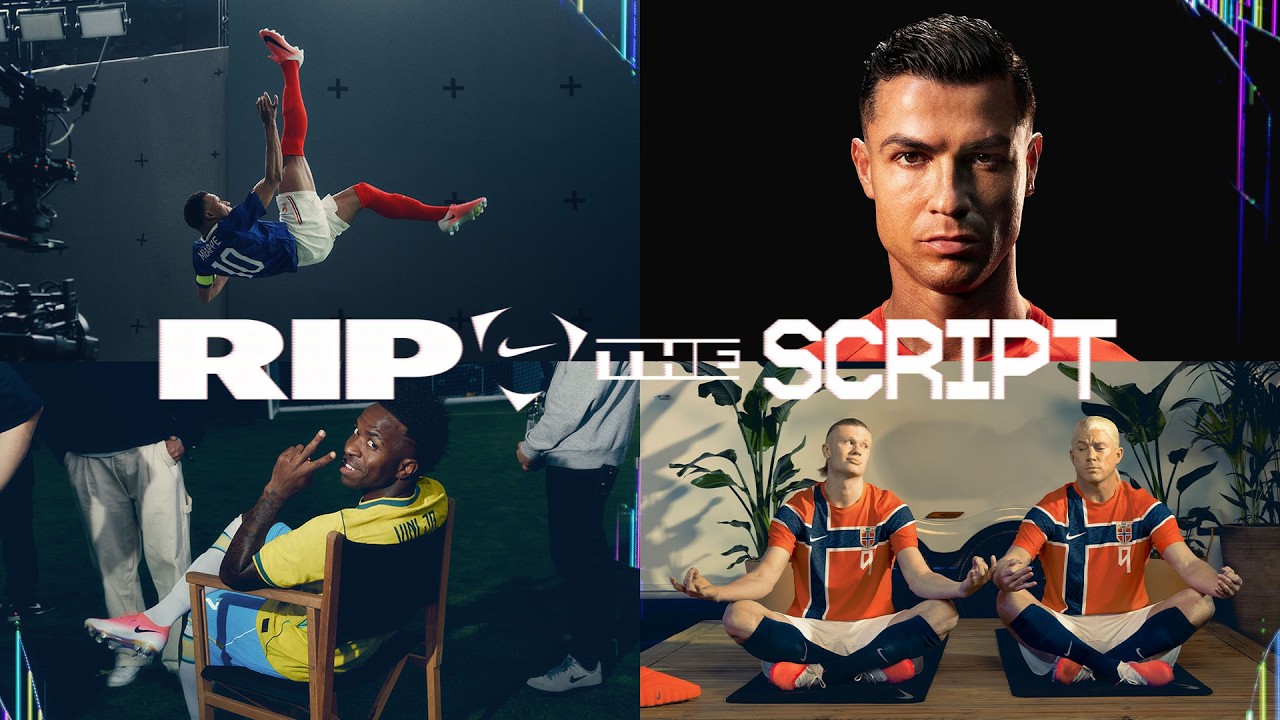
For all the industry’s focus on football royalty, there are signs that brands are beginning to look beyond established legends and towards the players who could define football’s future. Spain’s Lamine Yamal has already appeared in campaigns from Adidas and Powerade and England’s Jude Bellingham plays a key role in Adidas’s cinematic Backyard Legends campaign. Christian Pulisic, the star for the US men’s national team, features heavily in sponsor activity as the player many hope can lead the host nation to a breakthrough moment.
More recently, campaigns such as Nike’s latest World Cup creative have also put younger talent front and centre, signalling a growing recognition of football’s next generation.
However, compared to the volume of campaigns built around icons such as Lionel Messi and David Beckham, emerging stars still play a supporting role in much of the advertising landscape. For marketers targeting Gen Z audiences, that presents an opportunity. Relevance often comes from identifying what’s next rather than celebrating what’s already established, and brands that invest in these stories early have an opportunity to build longer-term cultural equity rather than relying solely on existing fame.
The biggest creative battle is still to come
Despite the volume of advertising already released, we’re still only seeing the opening stages of the World Cup marketing race. Many major sponsors have just launched their campaigns, and significant media investment is still to be deployed, while non-sponsors are continuing to look for ways to participate in the wider cultural conversation without official rights.
In other words, the market is busy, but it hasn’t yet reached peak intensity. That’s important because as more campaigns enter the space, differentiation will become increasingly difficult. Celebrity appearances alone won’t guarantee attention, and sponsorship rights alone don’t guarantee relevance.
Creative quality will matter more than ever, and the brands that break through will not necessarily be those with the biggest budgets. They’ll be the ones who understand what football means to people and find authentic ways to contribute to that experience.
Creative Bloq is now easier to access than ever before with our on-the-go app, which brings you all the content you know and love from our website, but in a super-streamlined design.


